Why Choose Us

Our certifications

Our company has passed the IATF16949 quality management system certification.


Advanced production equipment

Our factory is located in Zhanjiang, a sub-center city of Guangdong Province. As a national high-tech enterprise, we have advanced technique,production equipment and detection means.

Rich experience

With over 30 years manufacturing experience, excellent customization ability, reliable quality, competitive prices and fast delivery, we can assure you that choosing us as your supplier is the right thing to do. Welcome to send drawings or samples for customized production.


In-sales Service

Our order management system tracks every order from placement to shipment, ensuring accuracy & efficiency. We update customers regularly and keep them informed of the order fulfillment status. Meanwhile, We strictly implement our product quality management system to ensure the quality and performance of our products.


What is Exhaust Pipe


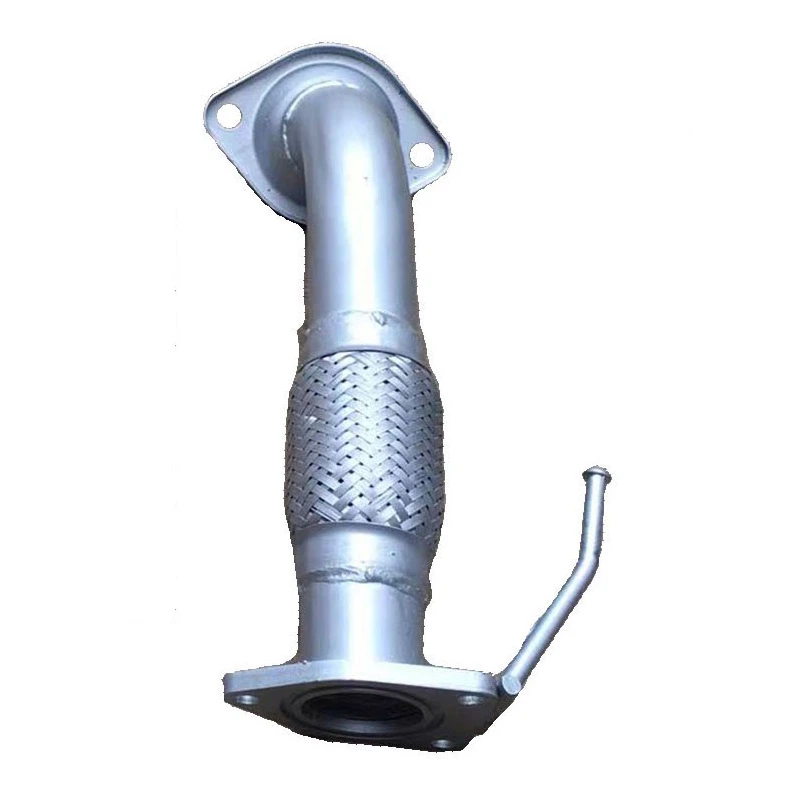
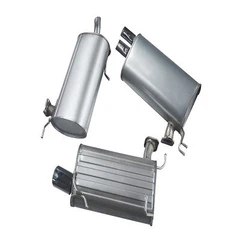
The Exhaust Pipe is part of your car’s exhaust system. Like a chimney on a house, it is designed to release exhaust away from the vehicle and into the air. Exhaust pipes connect to the muffler and are often attached to the rear end of the car with a bracket. Exhaust pipes are susceptible to damage from rear end collisions, failed brackets, broken seals, and corrosion from age.


Benefits of Exhaust Pipe

Enhanced Durability

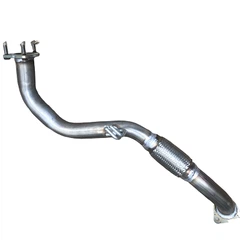
One of the primary benefits of flexible exhaust pipes is their exceptional durability. Constructed from high-quality stainless steel, these pipes are engineered to withstand harsh environmental conditions, including extreme temperatures, corrosive elements, and road debris. As a result, they offer a longer lifespan compared to traditional exhaust pipes, making them a cost-effective investment in the long run.

Reduced Noise and Vibration

Flexible exhaust pipe is designed with a corrugated structure that acts as a natural noise dampener. As exhaust gases pass through the flexible design, vibrations and noise are significantly reduced, resulting in a quieter and more enjoyable driving experience. This is especially beneficial for enthusiasts seeking a smooth and peaceful ride without compromising on performance.

Front Pipe for 10th Gen Honda Accord
Front Pipe for Honda Odyssey RB3

Improved Performance

Performance-driven vehicle owners can benefit greatly from installing the flexible exhaust pipe. The smooth and unrestricted flow of exhaust gases due to the flexible design enhances engine efficiency, leading to improved horsepower and torque. The reduction in backpressure contributes to better engine breathing, resulting in an overall boost to the vehicle's performance.

Versatility and Easy Installation

Flexible exhaust pipes come in a variety of sizes and configurations, making them suitable for a wide range of vehicles, from compact cars to heavy-duty trucks. Moreover, their flexible nature simplifies the installation process, allow


Types of Exhaust Pipe


Single Exhaust Pipe
A single exhaust pipe is the most common type of exhaust pipe found on vehicles. It consists of a single pipe that carries the exhaust gases from the engine to the tailpipe. Single exhaust pipes are usually less expensive and easier to install than other types of exhaust pipes. They are also generally quieter than other exhaust systems. However, they may not provide the same level of performance as other types of exhaust pipes.


Dual Exhaust Pipe
A dual exhaust pipe system is made up of two pipes that carry the exhaust gases from the engine to the tailpipe. Dual exhaust pipes are often used on high-performance vehicles as they provide better exhaust flow, which can result in improved horsepower and torque. They also tend to produce a more aggressive exhaust note. However, dual exhaust systems are generally more expensive and more challenging to install than single exhaust systems.


Y-Pipe Exhaust
A Y-pipe exhaust system is a type of exhaust system that consists of a Y-shaped pipe that connects to the exhaust manifold. The Y-pipe then splits into two pipes that carry the exhaust gases to the tailpipe. Y-pipe exhaust systems are similar to dual exhaust systems in that they provide improved exhaust flow, resulting in better performance and a more aggressive exhaust note. However, they may be more expensive and more challenging to install than single exhaust systems.


H-Pipe Exhaust
An H-pipe exhaust system is a type of exhaust system that consists of an H-shaped pipe that connects to the exhaust manifold. The H-pipe then splits into two pipes that carry the exhaust gases to the tailpipe. H-pipe exhaust systems are similar to Y-pipe exhaust systems in that they provide improved exhaust flow. However, H-pipe exhaust systems are designed to reduce exhaust drone and produce a more balanced exhaust note.


Exhaust Pipe Material
Front Pipe for Toyota Coaster RZB54

Mild Steel

Mild steel is a mixture of iron with a small percentage of carbon. It is sometimes called carbon steel. Mild steel is the most common form of steel and is cheap to produce. For a long time, popular material for exhaust parts was mild steel. It was used as it was inexpensive, easy to work with, and lightweight. However, mild steel exhaust pipes rust very quickly and have a short life span. The moisture can build up in the exhaust pipe when the engine is not running for long and rusts the exhaust parts from the inside out.

Front Pipe for Nissan X-Trail 2.5L

Aluminized Steel

Exhaust pipes made from aluminized steel have the same properties as mild steel. The change is that the metal has a coating of aluminum-silicon alloy. The aluminized coating resists corrosion and rust. It is more costly, but will last longer than mild steel. This metal is not shiny like chrome or stainless steel but is light gray. The moisture can build up in the exhaust pipe when the engine is not running for long and rusts the exhaust parts from the inside out. If the coating gets scraped, it will rust just like mild steel.

Front Pipe for Honda Odyssey RB3

Stainless Steel

The best resistance to rust found on exhaust parts are made from stainless steel. But it is the expensive choice and is also hard to weld and bend. Stainless steel comes in different grades, the most popular grades used in exhaust parts are 409 and 304. Chromium and other elements are added in stainless steel to resist corrosion and make the metal harder and stronger. The difference between the 409 and 304 is the amount of chromium and nickel found in each. Though stainless steel exhausts are costly, they are still reasonably affordable and worth the extra cash, given the benefits.

Front Pipe for 10th Gen Honda Accord

Titanium

Titanium is the most expensive metal used for exhaust parts. Titanium exhaust parts are 40 percent lighter and stronger. Making titanium exhausts parts is as same as making stainless pipework as the same tooling and processes are used. Titanium has properties of changing color to blue when heated. The biggest drawback is the price due to which it is rarely used.


How to Choose Exhaust Pipe
 

Compatibility

Most exhaust pipes are vehicle-specific, so finding one that is meant for your vehicle is necessary for a precise fit. Finding the right size of exhaust pipe for the exhaust muffler, resonator or catalytic convertor is critical as it can even change the sound of the vehicle. Modern cars come with many exhaust components which can give a choice of changing the exhaust pipes to suit your needs. In such cases, you can opt for an aftermarket exhaust pipe which can give your normal vehicle the sound and performance of a racing car.

Single Pipe Or Two-piece Pipe

The difference between a single pipe and a two-piece pipe is evident from the name. Single pipe construction is mostly used in fewer power vehicles, and the exhaust pipe is welded to the muffler. This means if the exhaust pipe gets damaged you will have to buy the complete assembly with the muffler. Whereas two-piece exhaust pipes are used on high-performance vehicles with powerful engines. These pipes are connected to the muffler with the help of exhaust clamps. This allows the user to change the damaged part, which can be the exhaust pipe or the muffler.

Brand Choice

For the people with more knowledge about exhaust pipes can go with their personal preferences but for those with less or no knowledge, going with a trusted and top brand is always counted as the best idea, when it comes to saving your valuable time, effort, and of course money in the long run. This guide will help you choose the best exhaust pipes for everyone. In the below section, there are many top brands with their features to choose from which can suit all your needs.

Checking for Fitment And Leakage

Once the exhaust pipes are replaced, it becomes necessary to check their function for sound and leakage of exhaust gases from joints. There are laws in some states which do not allow high sound from the exhaust system. A leak or a faulty exhaust joint can seriously affect the environment with pollution. Driving a vehicle with such problems is a serious safety issue for the environment and people and can prove dangerous at higher speeds.

Close Attention To Warranties

Pay close attention to warranties for an exhaust part, as they are limited and specific. Replacements are available only if there are any defects. Only a few high-performance exhaust parts companies provide a 1-year warranty where the parts will be a bit expensive. So you will have to decide and balance between warranty and price.

Choosing The Right Material

The exhaust systems can be made from a variety of materials. But the most commonly used exhaust systems are made with stainless steel or mild steel. The advantage of a mild steel exhaust system is the price. These mild steel exhaust systems can help save you some cash, but they will rust or corrode. Stainless steel exhaust system resists corrosion, making it the best exhaust system material for snowy or rainy climates.


Process of Exhaust Pipe


Tube Bending

Describing the process of bending metal tubes to achieve desired shapes and configurations for exhaust pipes, including mandrel bending for uniformity and precision.


Welding Techniques

Discussing welding methods such as TIG (Tungsten Inert Gas) welding, MIG (Metal Inert Gas) welding, and laser welding used in exhaust pipe fabrication.


Tube Forming and Hydroforming

Explaining techniques like tube forming and hydroforming to create complex shapes and optimize exhaust flow performance.


Surface Treatment

Addressing surface treatments like coating, plating, or polishing to enhance corrosion resistance and aesthetics of exhaust pipes.


How to Maintain Exhaust Pipe
 

Step 1: Regular inspection

Rust can weaken the pipes and mufflers, leading to leaks and reduced performance. Regularly inspect the exhaust system for signs of rust and corrosion.Any damage to the exhaust system can affect its efficiency and lead to noise issues. Check for any visible damage, such as dents, cracks or loose parts.


Step 2: Clean the exhaust system
Clean the exterior.Avoid using abrasive cleaners that might damage the finish. Use a mild soap and water mixture to clean the exterior of the exhaust pipes and muffler.Remove carbon deposits.Use a non-abrasive cleaner designed for exhaust systems to remove these deposits. Carbon deposits can accumulate inside the exhaust pipes and affect the flow of exhaust gases.


Step 3: Address leaks
Unusual noises, such as hissing, popping or rattling, can indicate exhaust leaks. These leaks not only impact performance but can also pose a safety hazard due to exposure to harmful gases.Damaged gaskets can lead to leaks and need to be replaced promptly. Inspect gaskets and seals connecting different components of the exhaust system.


Step 4: Maintain the Catalytic Converter
The catalytic converter reduces harmful emissions. Regularly monitoring its efficiency can help you catch any issues before they become severe.Using quality fuel with the right octane level helps maintain the efficiency of the catalytic converter and reduces the buildup of carbon deposits.


Our Factory


Zhanjiang Huaxia Muffler Co., Ltd
Established in 1988, Zhanjiang Huaxia Muffler Co., Ltd was originally named Zhanjiang Mechanical Heat Treatment Mold Factory .Leveraging its advantage in mold development, the company began to enter in the field of automobile exhaust system providing products and services to auto manufacturers and auto aftermarket customers.Since 2000, the company has become OEM supplier supporting OE manufacturers like Hainan Mazda, Xiamen Jinlong, and SAIC.After more than 30 years of development, the company has become a major supplier of auto parts in China with its products covering the domestic automotive aftermarket. Meanwhile, our products are exported to countries such as the United States, Canada, Iran, Russia, and Nigeria in large quantities.


2024092614472263ded.png (856×297)

p2024092614381299659.jpg (1600×1600)


Certificate


p20240926155221647e7.jpg (1266×530)

p2024092615522165176.jpg (1267×568)


FAQ


Q: What is exhaust pipe?

A: Exhaust gases are collected from the cylinder head in the engine by an exhaust manifold. The exhaust manifold acts as a funnel, diverting exhaust gases from all cylinders of the engine then releases them through a single opening, often referred to as the front pipe.

Q: What is exhaust pipe in English?

A: The exhaust pipe is the pipe that carries the gas out of the engine of a vehicle. When you start your car, a little gasoline gets turned into a mixture of gases and soot that come out of the exhaust pipe. There should be no smoke from the exhaust pipe even if the engine is worked hard.

Q: Is an exhaust a muffler?

A: So to put it simply, the exhaust controls the output of gas while the muffler controls the noise level of doing so. It might help to remember that another word for 'muffler' is 'silencer'. Let's explore the differences between a muffler and an exhaust in a little more detail.

Q: Can I drive with a bad exhaust pipe?

A: While you can technically drive with a broken exhaust, it's neither safe nor legal and poses a number of issues when you're out on the road. Whether your exhaust is simply cracked, is partially hanging off or has fallen off completely, it's an important part of your vehicle which needs your immediate attention.

Q: Do exhaust pipes smoke?

A: When everything is working the way it should, there should be no visible emissions coming from the exhaust pipe of your car. If you see smoke, it's likely a sign that something in the engine is wrong. But did you know that the color of the smoke can point to the cause of the problem?

Q: Why do you need an exhaust pipe?

A: To direct all exhaust fumes from the engine to behind the vehicle. To reduce emissions by decreasing the number of toxic chemicals in the fumes. To reduce the noise caused by the explosions which occur during the fuel combustion process.

Q: Why do cars have exhaust pipes?

A: Your vehicle's exhaust system is made up of a complex system of pipes and devices that serve four essential functions: collect gases from the engine, remove harmful toxins from those gases, reduce engine noise and discharge the gases away from the car's occupants.

Q: Can my car run without a muffler?

A: The possibility of toxic exhaust fumes leaking into your car's ventilation system represents the largest reason for not driving with a broken or damaged muffler. You put yourself and others in serious - and potentially fatal - danger if this occurs while you drive.

Q: What is the difference between pipe and muffler?

A: The tailpipe is the last piece of the exhaust system that directs the exhaust gases out and away from the vehicle. Mufflers are soundproofing devices that reduce the sound of the engine utilizing acoustic sound muffling.

Q: Is a muffler a silencer?

A: A muffler (North American and Australian English) or silencer (British English) is a device for reducing the noise emitted by the exhaust of an internal combustion engine—especially a noise-deadening device forming part of the exhaust system of an automobile.

Q: What happens if you don't fix your exhaust?

A: Not only can it be harmful to your health, but a properly working exhaust system is important for the sake of your vehicle's performance. Neglecting repairs can lead to serious (and expensive!) engine damage, as well as performance issues and a drop in fuel efficiency.

Q: What can damage a car exhaust?

A: The primary causes of exhaust leaks are corrosion, worn-out gaskets, or damage from road debris. To address exhaust leaks, you must first identify the location of the leak; this can be done by inspecting the exhaust system for visible damage or using smoke testing techniques.No person shall use a muffler cutout, bypass, or similar device. Motor vehicles must at all times be equipped with an adequate muffler or exhaust system in constant operation and properly maintained to prevent any excessive or unusual noise.

Q: Why do cars smoke after sitting?

A: The most common cause is water condensation buildup in the engine or exhaust system. When a vehicle sits for an extended period without being driven, any water that accumulates in the engine or exhaust can condense and turn to steam, creating the white smoke when the engine is first started.

Q: Is it exhaust or muffler?

A: Muffler and exhaust are very different. The exhaust is the pipe that connects to your engine and allows hot gases to escape. The muffler is responsible for changing the sound of those escaping gases into a more pleasant or desirable tone and making driving more enjoyable.

Q: Why is my car smoking after I shut it off?

A: Smoke often leaves car engines as a result of overheating. This can be caused by faulty wire casings, heated residues on the engine block and overheated liquids including oil, transmission fluid and brake fluid. There may also be a fault in your coolant system, or your engine may not have enough lubricant.

Q: How long do exhaust pipes last?

A: Depending on the make and model, how you drive, the environment it's exposed to and regular maintenance checks; car exhausts can last the lifetime of the car. Generally built with either chrome or stainless steel, today's car exhausts boast an impressive lifespan of 3 to 5 years but sometimes even more.

Q: What happens if you don't replace exhaust pipe?

A: No, driving with a broken exhaust is not recommended. A broken exhaust can lead to dangerous leaks of hazardous gases such as carbon monoxide, which can be fatal if inhaled in large amounts. Additionally, a defective exhaust system may also cause excessive noise pollution or even damage your car's engine.

Q: Do you need exhaust pipes?

A: In summary, driving a car without an exhaust pipe is not recommended due to the various risks and consequences it poses, including noise pollution, exposure to harmful gases, legal issues, potential engine damage, and the risk of fire.

Q: Do cars still have exhaust pipes?

A: Every vehicle on the road today has a muffler and exhaust system. Both components serve multiple roles in your car, but the most important roles often include reducing engine noise and remove the harmful gases and other emissions that come from your car's engine.

Q: How long can you drive with a broken exhaust pipe?

A: If the leak is small, you may be able to drive for several hundred miles before having it repaired. However, if the leak is large, you may need to have it fixed immediately. If you suspect an exhaust leak, it's best to have it checked by Profusion Customs as soon as possible.

We're professional exhaust pipe manufacturers and suppliers in China, specialized in providing high quality products with low price. If you're going to buy customized exhaust pipe made in China, welcome to get free sample from our factory.

stainless steel exhaust pipe, exhaust pipe bracket, exhaust pipe moisture proof

Send Inquiry