Why Choose Us

Our certifications

Our company has passed the IATF16949 quality management system certification.


Advanced production equipment

Our factory is located in Zhanjiang, a sub-center city of Guangdong Province. As a national high-tech enterprise, we have advanced technique,production equipment and detection means.

Rich experience

With over 30 years manufacturing experience, excellent customization ability, reliable quality, competitive prices and fast delivery, we can assure you that choosing us as your supplier is the right thing to do. Welcome to send drawings or samples for customized production.


In-sales Service

Our order management system tracks every order from placement to shipment, ensuring accuracy & efficiency. We update customers regularly and keep them informed of the order fulfillment status. Meanwhile, We strictly implement our product quality management system to ensure the quality and performance of our products.


What is Parts Of Exhaust System


Parts Of Exhaust System a crucial role in vehicles by expelling exhaust gases away from the engine, thus enhancing performance and reducing emissions. Comprising components like the exhaust manifold, catalytic converter, and muffler, they ensure optimal engine efficiency and noise reduction. Understanding the intricacies of exhaust systems is essential for anyone keen on automotive mechanics or aiming to maintain their vehicle's health and environmental compliance.


Benefits of Parts Of Exhaust System

Improved Fuel Efficiency

In general, the exhaust system contributes to your engine's overall efficiency by ensuring that the exhaust gases are released properly and on time. When the exhaust system is fine, it helps decrease the load on the engine, and thus, it helps the engine burn fuel in the most efficient manner.A well-maintained and properly functioning exhaust system allows the correct air-fuel mixture to reach the engine for proper combustion, thus using less fuel.

Enhanced Engine Performance

It is important to ensure that a car's exhaust system is well maintained so that the engine works efficiently.The exhaust system aids in the removal of toxic fumes generated during the burning of fuel and air to improve the engine's air intake.By doing this, it is possible to enhance the airflow and, therefore, the engine power and response.When the exhaust flow is less restricted, the engine runs much more efficiently, boosting horsepower.

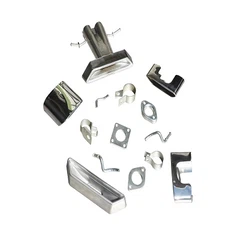
Chrome Tip
Catalytic Converter Cone

Environmental Benefits

It may be hard to believe, but taking care of your exhaust system is beneficial not only for your car but also for the ecology.The exhaust system also comprises elements like the catalytic converter to minimize the emission of toxic substances.However, properly maintaining these components to ensure they work efficiently can help decrease your vehicle's overall carbon emissions.The emissions such as carbon monoxide, hydrocarbons, and nitrogen oxides are well taken care of in the exhaust system to minimize their emission to the atmosphere.

Enhanced Safety

A properly maintained exhaust system is vital for the driver and passengers' safety.Exhaust leaks can lead to the release of dangerous gases, such as carbon monoxide, into the cabin of the vehicle, posing a serious health risk.Regular inspection and maintenance of the exhaust system can prevent leaks that could lead to carbon monoxide entering the vehicle's cabin.


Types of Parts Of Exhaust System


The Exhaust Manifold
The exhaust manifold is the first section of the exhaust system after the engine's cylinders. It collects exhaust gases from each exhaust port on the cylinder head, and the manifold is bolted directly to it. The exhaust manifold is typically made of materials that can withstand massive changes in temperature, including cast iron or stainless steel.


The Catalytic Converter
The catalytic converter, a star player in environmental preservation, converts harmful pollutants into less harmful substances before they leave the vehicle's exhaust system. This part is fastened into the exhaust pipe soon after the exhaust manifold and before the muffler. It's commonly cylindrical on the outside, and the substrate inside is a ceramic honeycomb structure with precious metals like rhodium, platinum, and palladium.


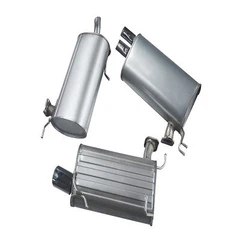
The Muffler
Aptly named, the muffler's primary function is to muffle the sounds that result from the combustion process. It typically contains a series of baffles and chambers that the exhaust gases pass through. Located under the car, typically near or behind the rear axle, the muffler's shell is made of sheet metals like coated steel or even stainless steel that resists moisture and temperatures it's exposed to.


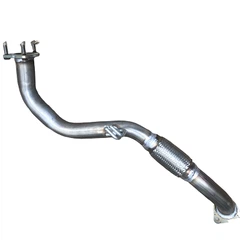
The Exhaust Pipe
The exhaust pipe connects all the components of the exhaust system, ensuring a smooth path for the exhaust gases to exit the vehicle. There's a section running from the manifold to the catalytic converter, from the converter to the muffler, and a section from the muffler out from the vehicle that's better known as a tailpipe. Most often, it's made from steel tubing, although it could also be aluminized steel or stainless steel, especially in aftermarket applications.


Functions of Exhaust System Parts


Channeling Exhaust Gases

The exhaust manifold collects the gases, the catalytic converter does its magic, and the exhaust pipe carries the treated gases to the muffler and beyond. Think of it as a series of tubes, each with a special purpose in moving the gases out of the car and into the environment as cleanly as possible.


Emissions Control

Catalytic converters are key in reducing harmful emissions that contribute to smog and air pollution. Inside, a honeycomb structure coated with precious metals triggers chemical reactions that convert harmful gases into water vapor and less harmful emissions. The catalytic converter gets extremely hot, sometimes approaching 1,000 degrees F on the outside, and much hotter inside.


Reduction in Noise

When gases flow fast, they create a lot of noise. The muffler works to silence the exhaust by dissipating and reflecting the sound waves created by the opening and closing of exhaust valves and the pulses of gas moving through the exhaust system. There may be fiberglass batting inside the muffler as well, adding even more damping potential in the exhaust.


Directing Exhaust Flow

The exhaust pipe not only provides a route for the gases to leave but can also be manipulated to improve performance through wider or straighter designs, which reduces backpressure-that is, resistance to exhaust flow-and helps the engine breathe better.


How to Choose Parts of Exhaust System
 

Compatibility
Most exhaust systems are vehicle-specific, so be sure you know the correct size of the damaged catalytic converter, exhaust pipe, muffler, or resonator before making a purchase. You can also choose an aftermarket exhaust system, which will give your regular vehicle the performance and sound of a race car. Some exhaust components are welded together, but they also come with easy fittings using nuts and bolts, and in some, exhaust clamps are used to connect various exhaust components. This enables the user to swap out the damaged component, which could be the muffler, exhaust pipe, or a rusted resonator.


Sound Level
Some drivers prefer the loudest exhaust systems, but the continual noise might occasionally become irritating if you drive for extended distances. In this situation, you might have to spend additional money to reduce the noise by replacing a few pricey pieces. Decide how loud a particular exhaust system should be on your vehicle for that purpose. Additionally, the exhaust's high noise is banned in some states and can cause hefty fines.


Brand Choice
When it comes to saving your valuable time, effort, and, of course, money in the long run, choosing a reputable and top brand is always considered the best option. Those who are more knowledgeable about exhaust systems can choose according to their personal preferences, but for those who are less familiar, going with a trusted and top brand is always counted as the best idea.


Checking For Fitment And Leakage
If changing to a performance exhaust system from a factory exhaust system, most of the performance exhaust systems bolt on with no modifications. Still, there are chances that the exhaust system may not fit properly and may need cutting and welding. This kind of work can be a bit expensive. Some states have regulations that prohibit the use of loud exhaust systems. Pollution from a leak or a bad exhaust joint can have a negative impact on the environment.


Close Attention To Warranties
Any exhaust part's warranty should be carefully read because it is both restricted and particular. Only if there are any manufacturing problems then replacements are offered. Only a few pricey high-performance exhaust pieces come with a one-year warranty. Therefore, you must make a choice and strike a balance between guarantee and cost.


Choosing The Right Material
A variety of materials can be used to create the right exhaust systems. It is crucial that the exhaust system's components are manufactured from materials that can withstand the stress, high temperatures, and environmental conditions that they are subjected to. Aluminum, mild steel, and stainless steel are the most often used materials. You can save some money by using aluminum or mild steel, which is also lighter and more affordable but more prone to corrosion. The finest exhaust system material for snowy or wet conditions is stainless steel since it resists rust and corrosion.


What Are The Steps Of Changing Parts Of Exhaust System
 

Step 1: Find a Kit

First, find a kit that will fit along with compression fittings. You can fix it easily as there will be no need for welding. If a manufacturer suggests that you weld the exhaust, then you will need a professional to do that. Ensure that the size is not too big. Else you will damage the pipe if the surface is uneven or if you run over.

Step 2: Jack up the Car

Now you will have to jack up the car. This will give you enough space needed underneath the car to change the exhaust. Make sure that the entire car is supported with jack stands..

Step 3: Measure

Make sure that there is sufficient space between the floor and the rear axle of the car because you will have to wiggle the exhaust so that you can loosen from where it bends up over the rear axle.

Step 4: Remove the Old Exhaust

The old exhaust must be removed off of the car. To do this, take away the tailpipe, then pull it out from underneath the car. If the bolts are rusty that have seized together, heat the car up. You should loosen the bolts enough to break them loose without stripping the head.

Step 5: Fit the New Exhaust

Now fix the new exhaust pipe on by using the old one as a guide. With the help of compression fittings of the new exhaust, you must hold up the exhaust tubes while you do this. Make sure not to tighten the fittings too much. You will have to adjust the position once you mount the exhaust.

Step 6: Finish It Up

The bolts must lead off of the catalytic converter, and rubber mount near the muffler. With the help of these bolts fit the exhaust into place. Once it is in the proper place, you will have to tighten up all your fittings and bolts. Start your car, and enjoy your new aftermarket exhaust pipes!


How to Maintain Parts Of Exhaust System
Manifold Inlet
Muffler Clamp
Manifold Outlet
Chrome Tip

Safety First
Ensure that your vehicle is parked on a flat surface and the engine is turned off. Ensure that the engine is cool.


Visual Investigation
Consider all visible portions of the exhaust system including exhaust manifold, pipes, muffler, and tailpipe. Note any signs of rust, corrosion, loose brackets, hangers, and visible damage.


Check for Leaks
Run your hand along the seams and connections of the exhaust system while the engine is cool. Look for any signs of rust or soot buildup, indicating a potential leak.


Tighten Loose Parts
If you notice any loose clamps, brackets, or hangers, use the appropriate tools to tighten them securely. Loose components can cause vibrations and lead to damage or leaks.


Clean the Exhaust Tips
Using a soft brush or cloth and some mild detergent, clean up the exhaust tips. Dirty or clogged exhaust tips can lead to poor exhaust gas dispersion.


Investigate the Catalytic Converter
If you suspect a catalytic converter problem, inspect the component for physical damage or signs of discoloration.


Note Unusual Noises
Start the engine and note any unusual noises coming from the exhaust system including excessive rumbling, hissing, and/or rattling.Note Unusual Odors. When running, pay attention to foul odors or burning odors.


Check Oxygen Sensors (O2)
If you notice that the check engine light comes on, have all O2 sensors inspected and replaced by a qualified mechanic.While regular visual inspections and maintenance help identify obvious issues, it is also advisable to have your exhaust system professionally inspected during routine maintenance periods.


Our Factory


Zhanjiang Huaxia Muffler Co., Ltd
Established in 1988, Zhanjiang Huaxia Muffler Co., Ltd was originally named Zhanjiang Mechanical Heat Treatment Mold Factory .Leveraging its advantage in mold development, the company began to enter in the field of automobile exhaust system providing products and services to auto manufacturers and auto aftermarket customers.Since 2000, the company has become OEM supplier supporting OE manufacturers like Hainan Mazda, Xiamen Jinlong, and SAIC.After more than 30 years of development, the company has become a major supplier of auto parts in China with its products covering the domestic automotive aftermarket. Meanwhile, our products are exported to countries such as the United States, Canada, Iran, Russia, and Nigeria in large quantities.


2024092614472263ded.png (856×297)

p2024092614381299659.jpg (1600×1600)


Certificate


p20240926155221647e7.jpg (1266×530)

p2024092615522165176.jpg (1267×568)


FAQ


Q: How often should the exhaust system be checked?

A: Ideally, the exhaust system should be inspected at least once a year during regular vehicle maintenance. However, immediate checks are necessary if you notice unusual noises, decreased fuel efficiency, or any visible damage.

Q: Can I replace just a part of the exhaust system instead of the whole system?

A: Yes, in many cases, if only a specific component of the exhaust system is damaged or worn out, replacing just that part is possible. It's important to ensure the new part is compatible with your vehicle's make and model.

Q: How do I know if my exhaust system needs to be replaced?

A: Signs that your exhaust system may need replacement include increased engine noise, visible rust or damage, the smell of exhaust in the cabin, and a decrease in fuel efficiency. If you experience any of these symptoms, it's advisable to have your exhaust system checked by a professional.

Q: Does the type of exhaust system affect the performance of my vehicle?

A: Yes, the type and quality of the exhaust system can significantly impact the performance of your vehicle. A performance exhaust system can increase the efficiency of exhaust emission, improve fuel consumption, and enhance overall engine performance.

Q: Is it more cost-effective to repair or replace an exhaust system?

A: The decision between repairing and replacing an exhaust system depends on the extent of the damage and the cost-effectiveness of the repair. In some cases, repairing a minor issue can be more economical, but a full replacement might be necessary if there are multiple or severe problems.

Q: How Much Will It Cost Me For A New Exhaust System?

A: Once you have completed the inspections, be sure of what you need to replace. It can be your complete exhaust system or just a component like a muffler, resonator, or catalytic convertor. You have the option to choose from a unique brand or the same brand if it suits your budget. Price ranges are different depending on which exhaust component is needed and also vary from one brand to the other. Depending on the vehicle you drive, the complete exhaust system will cost you around $1200 to $1800. While the labour cost is only about $200 to $350. But if you want to replace components such as a muffler or resonator, it will cost around $500 to $700. While the labour cost is only about $80 to $150. The cost of labour may rise if there is additional work such as cutting and welding.

Q: How Long Is The Lifespan Of The Exhaust System?

A: Any vehicle's exhaust system doesn't need much repair or special care until it has accumulated more miles or is damaged. Because factory-installed and aftermarket exhaust systems are made of corrosion-resistant stainless steel, most vehicles don't need to have their exhaust systems repaired for at least eight to ten years, and sometimes longer. However, if parts deteriorate over time, develop holes and leaks, or completely fail due to rust, maintenance may become more frequent and expensive.

Q: What are the main components of the exhaust system?

A: The major components of the exhaust system include the exhaust manifold(s), oxygen sensors, catalytic converter(s), resonator, exhaust pipes, muffler, and tailpipe. The exhaust manifold is connected directly to the engine and has the job of harnessing the combustion gases into the exhaust system.

Q: What are the parts of the engine exhaust?

A: Essentially, an exhaust system consists of exhaust manifold, Y pipe, catalytic converter, particulate filter, pre-muffler, middle muffler, rear muffler and the corresponding connecting pipes.

Q: What are the parts of the exhaust manifold?

A: The exhaust manifold consists of several parts, including oxygen sensors, catalytic converters, heat shields, and gaskets. Oxygen sensors monitor the amount of oxygen present in the exhaust system and send a signal to the engine control unit (ECU) so that it can adjust the air-fuel ratio accordingly.

Q: What does full exhaust include?

A: What is a Full-System Exhaust? A full-system exhaust, also known as a complete exhaust system, is an aftermarket modification that replaces the entire stock exhaust system of a motorcycle. This system includes components such as the header or exhaust manifold, mid-pipe, catalytic converter, and muffler.

Q: What are the 4 main functions of the exhaust system?

A: Most people know that an exhaust system removes the harmful gases produced in your engine; however, exhaust systems do a lot more! Your vehicle's exhaust system has four main functions: control noise, carry away gases, improve engine performance and improve fuel consumption.

Q: What does car exhaust consist of?

A: Nitrogen, oxygen, carbon dioxide, and water vapors make up the bulk of the exhaust that comes from your car's tailpipe, and they are commonly found in the earth's ecosystem. However, exhaust fumes also contain elements that can be incredibly harmful to the human body.

Q: What is the big part of the exhaust called?

A: Exhaust Manifold.Its function is to collect the exhaust gas from the engine cylinders into one pipe and send it through the catalytic converter. Signs of a bad or damaged exhaust manifold include excessive engine noise, decrease in power, fuel efficiency and acceleration and a burning smell coming from the engine.

Q: What is the part connected to the exhaust?

A: The catalytic converter, a star player in environmental preservation, converts harmful pollutants into less harmful substances before they leave the vehicle's exhaust system. This part is fastened into the exhaust pipe soon after the exhaust manifold and before the muffler.

Q: What are manifold parts?

A: An engine part that collects the exhaust gases from multiple cylinders into one pipe. Also known as headers. Hydraulic manifold. A component used to regulate fluid flow in a hydraulic system, thus controlling the transfer of power between actuators and pumps.

Q: What is the pipe called that connects to the exhaust manifold?

A: The Exhaust pipe carries the collected gases and vapor from the exhaust manifold into the catalytic converter (if equiped) and then into the muffler before exiting out of the tail pipe. The "Y" pipe is a section of the exhaust pipe that connects both exhaust manifolds of a split manifold engine design together.

Q: What are the six parts of the exhaust system?

A: A car exhaust system generally consists of five or six distinct sections: a manifold, downpipe, catalytic converter, diesel or petrol particulate filter, centre section and back box.Most exhaust systems have four main parts: the exhaust manifold, the catalytic converter, the pipes, and the muffler. The journey starts with the exhaust manifold, which is connected to the engine and does the initial work of collecting the exhaust produced by the engine.

Q: What are engine exhaust parts called?

A: Cylinder head and exhaust manifold. A turbocharger to increase engine power. A catalytic converter to reduce air pollution. A muffler (North America) / silencer (UK/India), to reduce noise.Probably the most expensive part of your exhaust system, the catalytic converter has the task of improving the emissions of your vehicle by turning toxic exhaust fumes into less harmful ones.

Q: What does a full exhaust system consist of?

A: Exhaust Pipes: Routes the exhaust fumes to the back of the vehicle. Exhaust Manifold: Collects the gases from the cylinders and releases them through a single opening, monitored by one or more oxygen sensors. Catalytic Converter: Transforms toxins to carbon dioxide and water for cleaner emissions.


We're professional parts of exhaust system manufacturers and suppliers in China, specialized in providing high quality products with low price. If you're going to buy customized parts of exhaust system made in China, welcome to get free sample from our factory.

Manifold Outlet, Catalytic Converter Cone, Muffler Clamp

Send Inquiry