

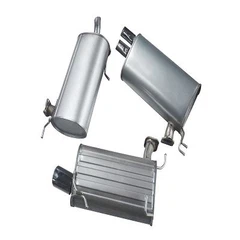
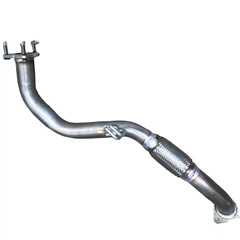
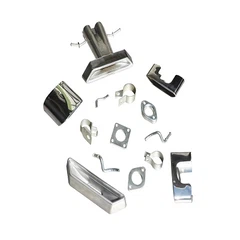

Center Muffler For Mitsubishi Pajero V73
Zhanjiang Huaxia Muffler Co., Ltd
Established in 1988, Zhanjiang Huaxia Muffler Co., Ltd was originally named Zhanjiang Mechanical Heat Treatment Mold Factory .Leveraging its advantage in mold development, the company began to enter in the field of automobile exhaust system providing products and services to auto manufacturers and auto aftermarket customers.Since 2000, the company has become OEM supplier supporting OE manufacturers like Hainan Mazda, Xiamen Jinlong, and SAIC.After more than 30 years of development, the company has become a major supplier of auto parts in China with its products covering the domestic automotive aftermarket. Meanwhile, our products are exported to countries such as the United States, Canada, Iran, Russia, and Nigeria in large quantities.
Why choose us
Our certifications
Our company has passed the IATF16949 quality management system certification.
Advanced production equipment
Our factory is located in Zhanjiang, a sub-center city of Guangdong Province. As a national high-tech enterprise, we have advanced technique,production equipment and detection means.
Rich experience
With over 30 years manufacturing experience, excellent customization ability, reliable quality, competitive prices and fast delivery, we can assure you that choosing us as your supplier is the right thing to do. Welcome to send drawings or samples for customized production.
In-sales Service
Our order management system tracks every order from placement to shipment, ensuring accuracy & efficiency. We update customers regularly and keep them informed of the order fulfillment status. Meanwhile, We strictly implement our product quality management system to ensure the quality and performance of our products.

center muffler for 2013 nissan tiida
Part name: Center muffler
Car: Nissan
Model: Tiida
Year: 2013
Material: Aluminum steel
Universal or specific: Specific

center muffler for 2003-2015 mitsubishi lancer
Part name:Center muffler
Car: Mitsubishi
Model: Lancer
Year: 2003-2015
Material: 409 stainless steel
Universal or specific: Specific

center muffler for mitsubishi pajero v73
Part name:Mid muffler
Car: Mitsubishi
Model: Pajero
Chassis: V73
Material: 409 stainless steel
Universal or specific: Specifi

center muffler for honda odyssey ra6
Part name:Center muffler
Car: Honda
Model: Odyssey
Version: Ra6
Material: 409 stainless steel
Universal or specific: Specific

center muffler for 9th gen honda accord
Part name:Center muffler
Car: Honda
Model: Accord
Generation: Ninth
Material: Aluminum steel
Universal or specific: Specific

Part name: Rear muffler
Car: Hyundai
Application: Ix35
Material: 409 stainless steel
Universal or specific: Specific

rear muffler for 2018 toyota camry
Part name: Rear muffler
Car: Toyota
Model: Camry
Year: 2018
Material: 409 stainless steel
Universal or specific: Specific

rear muffler for 2020 toyota corolla
Part name:Rear muffler
Car: Toyota
Model: Corolla
Year: 2019
Material: 409 stainless steel
Universal or specific: Specific

rear muffler for 2013 nissan sylphy
Part name:Rear muffler
Car: Nissan
Model: Sylphy
Year: 2013
Material: Galvanized steel
Universal or specific: Specific
What is Center Muffler for Mitsubishi Pajero V73
These Center Muffler for Mitsubishi Pajero V73 are designed to enhance vehicle performance and deliver a more aggressive, distinctive exhaust note. A performance muffler and resonator working in tandem can reduce backpressure and increase exhaust flow, improving horsepower and torque output. Moreover, aftermarket mufflers can give a vehicle a customized look and feel while supporting specific performance goals. Ultimately, aftermarket and performance mufflers cater to enthusiasts and tuners seeking to extract every ounce of potential from their vehicles while creating a unique auditory and aesthetic experience.
Benefits of Center Muffler for Mitsubishi Pajero V73
Enhanced Driving Experience
A muffler can add to the smooth driving experience in your car. Its main function is to reduce noise levels from your engine to make your trips less of a hassle. It supports the driver's concentration and focus while on the road.Even though the sense of sight is crucial when it comes to driving, being able to hear the road also adds benefits to your experience. This is because our hearing often aids in how we interpret our surroundings through sounds. With this sense, we may first recognize danger alerts such as an incoming collision, especially in blind spots.
Reduce Harmful Gasses
Motor vehicles are prone to make and release greenhouse gasses into communities, adding to the overall pollution that can harm the environment. In the Philippines, the transport sector alone contributed 35.42 million tons of carbon dioxide in 2022.The toxic gasses of cars are often produced by the engine. This is because burning fuel is necessary to create energy to run the vehicle. Burning gasoline or diesel fuel can release gasses like nitrogen dioxide, which can cause fatigue and dizziness as well as benzene, leading to unconsciousness and irregular heartbeat.Fortunately, high-quality installed mufflers can contribute to better filtration of the exhaust system, making these gasses less toxic to your health.
Better Fuel Economy
Mufflers affect car performance by reducing the backpressure of exhaust systems. This building of pressure is often caused by restricted air circulation in the car. Exhaust back pressure can lead to increased fuel consumption, pushing the driver to spend more money on gas for little distance measures.Thankfully, they can take advantage of mufflers through fuel efficiency. This car part supports the better circulation of air, resulting in easy or low pressure on the exhaust system. This way, you can expand the use of your vehicle and go on long trips to the province-without going over the budget.
Increase the Longevity of the Engine
Engines are car parts that are consistently working in high temperatures. They convert fuel into energy to make vehicles move. While they can withstand and work in heat, engines are also subject to overheating.Overheating can generally be caused by a faulting cooling system. This leads to an increased amount of heat that can decrease the effectiveness of engines. This issue is also one of the reasons why ventilation is important in motor vehicles.A muffler is one of the most important parts of exhaust systems. They act as another part to cool down the engine, increasing the lifespan of your car. They decrease the stress of engines through better airflow inside the car. This can result in better and sustained engine operations.
Types of Center Muffler for Mitsubishi Pajero V73
Performance Muffler
As mentioned, these are engineered to increase exhaust flow, thereby improving horsepower and torque while creating a deep, aggressive exhaust note. Their unique construction often involves straight-through designs that offer minimal resistance to exhaust gases.
Aftermarket Muffler
Any muffler not from the original equipment manufacturer is considered "aftermarket." Often designed as a replacement or upgrade to the factory-installed muffler, these come in a variety of sound profiles, from subtle and quiet to loud and aggressive.
Turbo Muffler
Turbo mufflers feature a series of perforated tubes that guide exhaust gases. These tubes create an S-shaped path, reducing noise without significantly restricting exhaust flow. Turbo mufflers are known for their moderate tone and improved engine performance.
Chambered Muffler
These mufflers use a series of chambers of different sizes to reduce exhaust noise. As sound waves pass through these chambers, they bounce off the walls, causing cancellation and resulting in a quieter exhaust note.
Glasspack Muffler
This type of straight-through muffler is named for the fiberglass packing it uses to absorb sound. These mufflers are known for their distinctive, aggressive sound, but they're not noisy enough to bother those around you. Glasspacks are a favorite among those seeking a vintage or hot-rod style exhaust note.
Straight-Through Muffler
Straight-through mufflers feature a simple design with a perforated tube wrapped in sound-absorbing material, like the glasspack, but their shape can be round or chambered. The straight-through path offers minimal resistance to exhaust gases, improving performance in most areas.
The Role of the Center Muffler for Mitsubishi Pajero V73
As your engine runs, it generates thousands of little sound bursts as highly pressurized gas is released. These sounds travel down your exhaust pipe-so you can imagine how loud they would be if there was no component to muffle the sound.But mufflers do more than simply muffle sound. The coolest thing about your muffler is that it is meant to "tune" your engine's sound output. This means that different types of mufflers will give you different sounds. You can make your vehicle as quiet as possible or you can give it a deep growling sound. No matter your wants or needs, there is a performance muffler out there for you.
As mentioned above, mufflers do more than tune and muffle sounds. They are also used to increase the performance of your vehicle. How do they do this?The faster your engine can get rid of exhaust gases, the faster it can take in oxygen and generate more power. By that standard, you may be thinking that no muffler is the way to go-why not cut out the middleman when it comes to releasing exhaust and intaking air? Unfortunately, that may land you a hefty noise violation ticket from your local police, since noise levels are strictly monitored.Luckily, mufflers are designed to perform this function in the best interest of your vehicle's performance. Muffler experts have created many efficient designs that minimize exhaust exit time while still keeping in line with noise regulations.
Your vehicle's exhaust system is designed to draw fumes from the front of the car to the back. The muffler filters these fumes into the atmosphere.If there is a crack or hole in the muffler, the fumes can make their way to the interior of the vehicle. Exhaust fumes contain carbon monoxide and other highly hazardous chemicals and toxins. Over time, this can cause serious harm to you and your passengers.
Outer shell
The outer shell of the muffler encases the internal components and provides structural support. It is usually made of metal, such as steel or aluminum, and may be coated with heat-resistant materials to withstand high temperatures.
Inlet and outlet pipes
These pipes connect the muffler to the exhaust system. The inlet pipe receives exhaust gases from the engine, while the outlet pipe releases them into the atmosphere after passing through the muffler.
Chambers
Mufflers contain one or more chambers that serve various purposes of sound reduction and emissions control. These chambers are usually separated by perforated pipes or baffles.
Catalytic converter (optional)
Some muffler designs may incorporate a catalytic converter into the exhaust stream to reduce harmful emissions. The catalytic converter contains precious metals that convert pollutants into less harmful substances.
Mounting brackets
Mounting brackets attach the muffler to the vehicle's chassis or exhaust system, ensuring proper alignment and stability.
How To Tell If Your Muffler Needs Repair or Replacement
Loud Exhaust Noise
The most apparent sign of muffler distress is a noticeable increase in your vehicle's exhaust noise. Believe it or not, a loud muffler is not a good thing. A functional muffler typically ensures a quiet and smooth engine sound. However, if you start experiencing a louder-than-usual rumble, particularly when accelerating, it's likely that your muffler is compromised. Holes or cracks in the muffler can lead to a failure in sound dampening, necessitating a repair or replacement.
Rust or Holes
Mufflers endure a lot and are exposed to the elements since they're on the vehicle's underside. Over time, this exposure can lead to rust or the development of holes, directly impacting the muffler's ability to function correctly. Visible signs of corrosion or holes on the muffler indicate it's time for a professional check-up.
Reduced Fuel Efficiency
A less obvious but significant sign of a muffler issue is a drop in fuel efficiency. When a muffler is clogged or damaged, it can cause back pressure in the exhaust system, making the engine work harder and consume more fuel. If you notice your car guzzling more gas than usual, it might point to an exhaust system problem, including the muffler.
Vibration or Rattling Noise
Another symptom of muffler failure is an unusual vibration or a rattling sound, which often indicates that the exhaust system has become unbalanced. This imbalance can be due to internal damage or wear in the muffler, leading to discomfort while driving and potentially larger issues if not addressed.
Bad Smell
A malfunctioning muffler can also lead to a noticeable bad odor. This happens when the muffler fails to channel exhaust gases properly, leading to a leakage of these fumes. Not only is this unpleasant, but it can also pose health risks, as these emissions can be toxic.
Low Gas Mileage
Surprisingly, a failing muffler can also affect your vehicle's gas mileage. The inefficiency in the exhaust system caused by a damaged muffler forces the engine to work harder, thus using more fuel. This reduction in fuel economy can be a subtle indicator of muffler issues.
How to Choose Center Muffler for Mitsubishi Pajero V73
Purpose
What do you want to achieve with your motorcycle exhaust? Do you want a better performance, improved sound, or a combination of both? Different types of exhaust pipes and mufflers offer varying degrees of performance and sound, so it's crucial to decide on your priorities.
Material
The material of the exhaust pipe and muffler is another critical factor to consider. Stainless steel and titanium are two popular materials used in the construction of exhaust systems. Stainless steel is durable, corrosion-resistant, and less expensive, while titanium is lighter, stronger, and more expensive.
Size
The size of the exhaust pipe and muffler is another crucial factor to consider. The diameter and length of the exhaust pipe and muffler can significantly impact the performance and sound of your motorcycle. In general, a larger diameter exhaust pipe will increase the flow of exhaust gases and improve performance, while a shorter muffler will produce a louder sound.
Style
There are many different styles of exhaust pipes and mufflers available, including slash-cut, straight-cut, and megaphone. Each style offers a different look and sound, so it's essential to choose one that complements your motorcycle's style and your personal preferences.
Brand
There are many reputable brands in the market that offer high-quality exhaust systems for motorcycles. Some popular brands include Akrapovic, Vance & Hines, Yoshimura, and Two Brothers Racing. Choosing a reliable brand can ensure that you get a high-quality exhaust system that delivers the desired performance and sound.
Budget
The cost of a motorcycle exhaust system can vary greatly depending on the brand, material, and style. It's important to set a budget before you start shopping to ensure that you don't overspend. However, keep in mind that a higher-priced exhaust system may offer better performance and durability than a lower-priced one.
How to Maintain Center Muffler for Mitsubishi Pajero V73
Keep the inside of the muffler clean
Over time, emissions from the engine cause a buildup of carbon which accumulates and becomes thicker and thicker eventually. Because of this, the muffler can start to cause a blockage which brings your engine one step closer to experiencing back pressure.You might find that the inside of your muffler is already full of carbon buildup. An easy way to avoid carbon buildup is to put a hose into the exhaust pipe and let the water flow into the muffler. Then, turn the engine on. While on neutral, step on the gas. You will see all the black soot color the water to be black. Do this from time to time to control the carbon build-up.
Make sure your engine is running properly
What goes through the muffler goes through the engine first. If your engine is suffering, your entire exhaust system will suffer the consequence, including your car's muffler.Carbon buildup and soot in the engine will be carried over to the muffler. So, getting rid of the carbon in the engine is the best solution. However, having the internal components of your engine such as intake valves cleaned of soot and carbon takes more effort and you might need a specialist to clean them.
Avoid uneven roads and rough driving
What goes on to your muffler on the outside is just as important as what happens to your muffler on the inside.When you drive your car, it's taking in everything that the road has. All the dust, dirt, sand, and even tiny rocks that the wheels kick up into the undercarriage. That's why it's important, as much as possible, to avoid driving on uneven roads, potholes, rocky roads, mud, and even sidewalks and those yellow wheel-stops found in parking lots.Be careful when you park as your muffler might hit the curb. The muffler might get scratched, dented, or even punctured.
Factory pictures


Certificate


FAQ
Hot Tags: center muffler for mitsubishi pajero v73, China center muffler for mitsubishi pajero v73 manufacturers, suppliers, muffler local smartphone design, muffler interior, muffler pc, muffler national server design, muffler video, muffler remote meeting
You Might Also Like


Send Inquiry