

Are there any differences in catalytic converter cones for different vehicle models?
Oct 16, 2025
Leave a message
Are there any differences in catalytic converter cones for different vehicle models?
As a supplier of Catalytic Converter Cones, I often encounter inquiries from customers regarding the variations in these components across different vehicle models. The catalytic converter cone is a crucial part of the exhaust system, playing a significant role in the efficient operation of the catalytic converter. In this blog, we will delve into the question of whether there are differences in catalytic converter cones for different vehicle models and explore the factors that contribute to these potential variations.
The Function of Catalytic Converter Cones
Before we discuss the differences, it's essential to understand the function of catalytic converter cones. These cones are typically located at the inlet and outlet of the catalytic converter. Their primary purpose is to direct the flow of exhaust gases into and out of the converter in a smooth and efficient manner. By shaping the flow of gases, the cones help to optimize the contact between the exhaust gases and the catalyst material inside the converter, which is essential for the conversion of harmful pollutants into less harmful substances.
Factors Influencing the Differences
Engine Specifications
One of the most significant factors that can lead to differences in catalytic converter cones is the engine specifications of different vehicle models. Engines vary in terms of their displacement, number of cylinders, and power output. These differences can result in variations in the volume and velocity of exhaust gases produced by the engine. For example, a high-performance engine with a large displacement and multiple cylinders will produce a greater volume of exhaust gases at a higher velocity compared to a smaller, more fuel - efficient engine. As a result, the catalytic converter cone for a high - performance vehicle may need to be larger in diameter and have a more streamlined design to accommodate the increased flow of gases.
Exhaust System Design
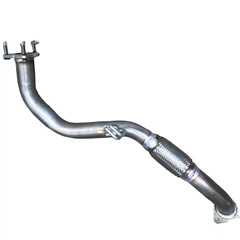
The overall design of the exhaust system also plays a crucial role in determining the characteristics of the catalytic converter cone. Different vehicle manufacturers have their own unique exhaust system designs, which may include factors such as the routing of the exhaust pipes, the number of bends, and the presence of other components like Exhaust Y Pipe Connector. These design elements can affect the flow dynamics of the exhaust gases and, consequently, the requirements for the catalytic converter cone. For instance, an exhaust system with a complex routing and multiple bends may require a catalytic converter cone with a more precise shape to ensure smooth gas flow and minimize backpressure.
Emission Standards
Emission standards vary from country to country and are constantly evolving. Vehicle manufacturers are required to design their vehicles to meet these standards, and the catalytic converter is a key component in achieving compliance. Different emission standards may demand different levels of pollutant conversion efficiency from the catalytic converter. To meet these requirements, the design of the catalytic converter cone may need to be optimized to enhance the performance of the converter. For example, in regions with strict emission standards, the catalytic converter cone may be designed to promote better mixing of the exhaust gases and the catalyst, leading to more efficient pollutant conversion.
Physical Differences in Catalytic Converter Cones
Size and Shape
As mentioned earlier, the size and shape of catalytic converter cones can vary significantly between different vehicle models. The diameter of the cone may be larger or smaller depending on the engine's exhaust gas volume. Additionally, the length and angle of the cone can also differ. Some cones may be short and wide, while others may be long and narrow. These differences in size and shape are carefully engineered to ensure optimal gas flow and performance of the catalytic converter.
Material
The material used in the construction of the catalytic converter cone can also vary. Common materials include stainless steel, aluminized steel, and ceramic. Stainless steel is known for its durability and resistance to corrosion, making it a popular choice for high - performance and long - lasting catalytic converter cones. Aluminized steel is more cost - effective but may have a shorter lifespan compared to stainless steel. Ceramic cones are sometimes used in applications where high - temperature resistance is required. The choice of material depends on factors such as the vehicle's operating conditions, cost considerations, and the manufacturer's design preferences.
Impact of Using the Wrong Catalytic Converter Cone
Using the wrong catalytic converter cone for a vehicle can have several negative consequences. Firstly, it can lead to increased backpressure in the exhaust system. Backpressure occurs when the flow of exhaust gases is restricted, which can reduce the engine's power output and fuel efficiency. Secondly, improper gas flow can result in uneven distribution of exhaust gases within the catalytic converter, leading to reduced pollutant conversion efficiency and potentially causing the vehicle to fail emission tests. Finally, using an ill - fitting catalytic converter cone can also cause premature wear and damage to the catalytic converter and other components of the exhaust system.
Importance of Compatibility
Given the potential differences in catalytic converter cones for different vehicle models, it is crucial to ensure compatibility when replacing or upgrading these components. As a supplier of Catalytic Converter Cone, we understand the importance of providing our customers with the right product for their specific vehicle. We work closely with vehicle manufacturers and use advanced engineering techniques to develop catalytic converter cones that are precisely tailored to the requirements of different vehicle models.
Other Related Exhaust System Components
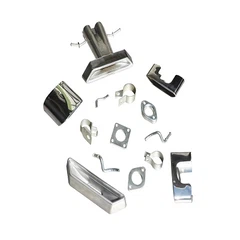
In addition to catalytic converter cones, there are other components in the exhaust system that are closely related and can also vary between vehicle models. For example, Chrome Tip is a decorative and functional component that is often attached to the end of the exhaust pipe. The size, shape, and style of chrome tips can vary depending on the vehicle's design and the owner's preferences. Similarly, exhaust y - pipe connectors are used to combine or split the exhaust flow in the exhaust system, and their design can also differ based on the specific requirements of the vehicle.
Conclusion
In conclusion, there are indeed significant differences in catalytic converter cones for different vehicle models. These differences are influenced by a variety of factors, including engine specifications, exhaust system design, and emission standards. As a supplier of catalytic converter cones, we are committed to providing our customers with high - quality, compatible products that meet the unique requirements of their vehicles. Whether you are a vehicle manufacturer, a repair shop, or an individual looking to replace or upgrade your catalytic converter cone, we can offer you the expertise and products you need.
If you are interested in learning more about our catalytic converter cones or would like to discuss your specific requirements, please feel free to contact us. We look forward to the opportunity to work with you and provide you with the best solutions for your exhaust system needs.


References
- Heywood, J. B. (1988). Internal Combustion Engine Fundamentals. McGraw - Hill.
- Turner, R. (2004). Automotive Exhaust Systems: Design and Development. SAE International.
- Society of Automotive Engineers (SAE). Various standards related to exhaust systems and emission control.
Send Inquiry