

Can I modify my exhaust pipe to meet emissions standards?
Jun 06, 2025
Leave a message
Can I modify my exhaust pipe to meet emissions standards?
As an exhaust pipe supplier, I often receive inquiries from customers about modifying their exhaust pipes to meet emissions standards. This is a crucial topic, especially in an era where environmental protection and regulatory compliance are of utmost importance. In this blog post, I'll delve into the possibilities, challenges, and considerations when it comes to modifying exhaust pipes for emissions compliance.
Understanding Emissions Standards
Before we discuss modification, it's essential to understand what emissions standards are. Emissions standards are regulations set by governments to limit the amount of pollutants released into the atmosphere by vehicles. These pollutants include carbon monoxide (CO), hydrocarbons (HC), nitrogen oxides (NOx), and particulate matter (PM). Different regions have different emissions standards, such as the Euro standards in Europe, the EPA standards in the United States, and the China VI standards in China.
The primary goal of these standards is to reduce air pollution and its negative impacts on human health and the environment. Non - compliant vehicles can face fines, restrictions on use, or even be prohibited from registration.
Can Exhaust Pipe Modification Help?
The short answer is yes, but with many caveats. Modifying an exhaust pipe can potentially help a vehicle meet emissions standards, but it depends on several factors.
-
Catalytic Converters: One of the most critical components in an exhaust system for emissions control is the catalytic converter. A catalytic converter is designed to convert harmful pollutants into less harmful substances through a chemical reaction. If your exhaust pipe does not have a properly functioning catalytic converter, replacing or upgrading it can significantly reduce emissions. For example, modern catalytic converters are more efficient at reducing NOx and HC emissions. However, not all catalytic converters are created equal. You need to ensure that the catalytic converter you choose is compatible with your vehicle's engine and meets the relevant emissions standards.


-
Pipe Design: The design of the exhaust pipe can also affect emissions. A well - designed exhaust pipe can improve the flow of exhaust gases, which in turn can lead to more efficient combustion in the engine. This can result in lower emissions of pollutants. For instance, a smooth - walled, properly sized exhaust pipe can reduce backpressure, allowing the engine to run more efficiently. Some advanced exhaust pipe designs incorporate features like baffles or resonators to optimize gas flow and reduce noise while also helping with emissions control.
-
Oxygen Sensors: Many modern vehicles are equipped with oxygen sensors in the exhaust system. These sensors monitor the amount of oxygen in the exhaust gases and send signals to the engine control unit (ECU). The ECU then adjusts the air - fuel mixture to ensure efficient combustion. If an oxygen sensor is faulty, it can cause the engine to run rich or lean, resulting in increased emissions. Replacing a faulty oxygen sensor as part of an exhaust pipe modification can help the vehicle meet emissions standards.
Challenges of Exhaust Pipe Modification
While exhaust pipe modification can be a solution, there are also significant challenges.
-
Legal Issues: In many regions, it is illegal to modify an exhaust system in a way that violates emissions standards. For example, removing a catalytic converter or installing a non - compliant aftermarket part can result in hefty fines. It's crucial to check the local laws and regulations before making any modifications. Some areas require that any modifications be certified by an approved testing agency.
-
Compatibility: Ensuring that the modified exhaust pipe is compatible with your vehicle's engine and other components is essential. An incompatible exhaust pipe can cause engine performance issues, such as reduced power, poor fuel economy, or even engine damage. For example, if the diameter of the exhaust pipe is too large or too small, it can disrupt the proper flow of exhaust gases and affect the engine's operation.
-
Cost: Modifying an exhaust pipe to meet emissions standards can be expensive. High - quality catalytic converters, oxygen sensors, and well - designed exhaust pipes can cost a significant amount of money. Additionally, if professional installation is required, this will add to the overall cost.
Our Product Offerings
As an exhaust pipe supplier, we offer a wide range of products that are designed to help vehicles meet emissions standards.
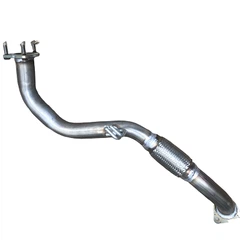
- Front Pipe for 10th Gen Honda Accord: This front pipe is specifically designed for the 10th generation Honda Accord. It is made of high - quality materials and is engineered to optimize exhaust gas flow. It also comes with a compatible catalytic converter that helps reduce emissions of harmful pollutants.
- Intermediate Pipe for Mazda M6: Our intermediate pipe for the Mazda M6 is designed to improve the overall performance of the exhaust system. It features a smooth - walled design to reduce backpressure and enhance engine efficiency. This, in turn, can lead to lower emissions.
- Front Pipe for Honda Odyssey RB3: The front pipe for the Honda Odyssey RB3 is a reliable option for those looking to upgrade their exhaust system. It is built to meet strict quality standards and is equipped with an efficient catalytic converter to ensure compliance with emissions regulations.
How to Choose the Right Exhaust Pipe for Emissions Compliance
When choosing an exhaust pipe for emissions compliance, consider the following:
- Vehicle Compatibility: Make sure the exhaust pipe is specifically designed for your vehicle make, model, and year. This ensures proper fitment and optimal performance.
- Emissions Certification: Look for exhaust pipes and components that are certified to meet the relevant emissions standards in your region. This certification provides assurance that the product will help your vehicle comply with the law.
- Quality and Durability: Choose exhaust pipes made of high - quality materials that are resistant to corrosion and wear. A durable exhaust pipe will last longer and maintain its performance over time.
Conclusion
Modifying an exhaust pipe to meet emissions standards is possible, but it requires careful consideration of legal, technical, and cost factors. As an exhaust pipe supplier, we are committed to providing our customers with high - quality products that can help their vehicles meet emissions requirements. If you are considering modifying your exhaust pipe, we encourage you to contact us for professional advice and guidance. Our team of experts can help you choose the right products for your vehicle and ensure a smooth installation process. Whether you need a front pipe, an intermediate pipe, or a complete exhaust system upgrade, we have the solutions you need.
Don't hesitate to reach out to us if you have any questions or if you're interested in purchasing our exhaust pipe products. We're here to assist you in achieving emissions compliance while maintaining the performance and efficiency of your vehicle.
References
- "Automotive Exhaust Systems: Fundamentals, Diagnosis, and Repair" by Larry D. Carley.
- Emissions standards documentation from relevant government agencies such as the Environmental Protection Agency (EPA) in the United States and the European Union's Euro standards regulations.
Send Inquiry