

How does a catalytic converter cone interact with the vehicle's computer system?
Nov 26, 2025
Leave a message
In the intricate ecosystem of a vehicle's exhaust system, the catalytic converter cone plays a pivotal role. As a dedicated supplier of catalytic converter cones, I've witnessed firsthand the importance of understanding how these components interact with a vehicle's computer system. This interaction is not only crucial for the efficient operation of the vehicle but also for ensuring compliance with environmental regulations.
The Basics of a Catalytic Converter Cone
Before delving into the interaction with the vehicle's computer system, it's essential to understand what a catalytic converter cone is. The catalytic converter cone is a critical part of the exhaust system that connects the exhaust manifold to the main body of the catalytic converter. Its shape is designed to optimize the flow of exhaust gases into the converter, ensuring that the gases are evenly distributed across the catalyst material.
The primary function of the catalytic converter is to reduce harmful emissions by converting pollutants such as carbon monoxide (CO), hydrocarbons (HC), and nitrogen oxides (NOx) into less harmful substances like carbon dioxide (CO2), water vapor (H2O), and nitrogen (N2). The catalytic converter cone helps in this process by directing the exhaust gases through the converter at the right speed and pressure, maximizing the efficiency of the chemical reactions that take place inside.
Sensor Integration and Communication
One of the key ways in which the catalytic converter cone interacts with the vehicle's computer system is through a network of sensors. These sensors are strategically placed throughout the exhaust system, including before and after the catalytic converter, to monitor various parameters such as temperature, oxygen levels, and exhaust gas composition.
The oxygen sensors, also known as O2 sensors, are particularly important in this interaction. They measure the amount of oxygen in the exhaust gases and send this information to the vehicle's engine control unit (ECU). The ECU uses this data to adjust the air - fuel mixture in the engine. A properly functioning catalytic converter requires a specific air - fuel ratio to operate efficiently. If the O2 sensors detect that the exhaust gases have too much or too little oxygen, the ECU can make real - time adjustments to the fuel injection system to maintain the optimal ratio.


For example, if the O2 sensor upstream of the catalytic converter detects a rich air - fuel mixture (too much fuel), the ECU will reduce the amount of fuel injected into the engine. Conversely, if a lean mixture (too much air) is detected, the ECU will increase the fuel supply. This continuous feedback loop ensures that the catalytic converter operates at its peak efficiency, reducing emissions effectively.
Diagnostic Trouble Codes (DTCs)
Another significant aspect of the interaction between the catalytic converter cone and the vehicle's computer system is the generation of diagnostic trouble codes (DTCs). The sensors in the exhaust system are constantly monitoring the performance of the catalytic converter. If any irregularities are detected, such as a drop in catalytic efficiency or a malfunctioning sensor, the ECU will store a DTC in its memory.
When a DTC is triggered, the vehicle's check engine light will illuminate on the dashboard. This serves as an early warning system for the driver, indicating that there is a problem with the exhaust system, which may be related to the catalytic converter cone. Mechanics can use diagnostic tools to retrieve these codes and identify the root cause of the issue.
For instance, if a DTC indicates a problem with the catalytic converter's efficiency, it could be due to a clogged catalytic converter cone, which restricts the flow of exhaust gases. This can lead to increased backpressure in the exhaust system, reducing engine performance and increasing emissions. By addressing the issue promptly, vehicle owners can avoid more severe damage to the engine and exhaust system.
Impact on Engine Performance
The interaction between the catalytic converter cone and the vehicle's computer system also has a direct impact on engine performance. A well - functioning catalytic converter cone ensures that the exhaust gases flow smoothly through the system, reducing backpressure. Backpressure is the resistance that the exhaust gases encounter as they exit the engine. High backpressure can cause a variety of problems, including reduced power, decreased fuel efficiency, and increased engine wear.
The vehicle's computer system is designed to optimize engine performance based on the conditions of the exhaust system. If the catalytic converter cone is damaged or clogged, the ECU may detect abnormal readings from the sensors and adjust the engine's operation accordingly. This can result in a decrease in power output and an increase in fuel consumption.
Compatibility with Other Exhaust System Components
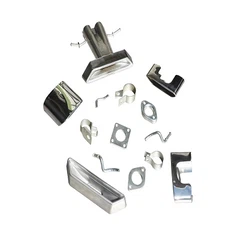
The catalytic converter cone does not operate in isolation; it is part of a larger exhaust system that includes components such as the Exhaust Y Pipe Connector, Exhaust Pipe Hanger, and Chrome Tip. These components work together to ensure the proper functioning of the exhaust system and its interaction with the vehicle's computer system.
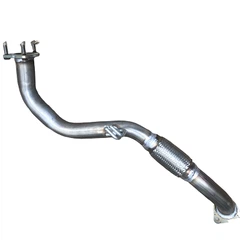
The Exhaust Y Pipe Connector, for example, combines the exhaust gases from multiple cylinders into a single pipe before they enter the catalytic converter cone. If this connector is damaged or leaking, it can disrupt the flow of exhaust gases and affect the performance of the catalytic converter. Similarly, a loose or damaged Exhaust Pipe Hanger can cause the catalytic converter cone to move out of position, leading to misalignment and potential damage. The Chrome Tip, while mainly a cosmetic component, can also affect the overall exhaust flow if it is too restrictive.
Importance of Quality Catalytic Converter Cones
As a supplier of catalytic converter cones, I understand the importance of providing high - quality products. A well - designed and manufactured catalytic converter cone is essential for maintaining the proper interaction with the vehicle's computer system. Inferior quality cones may not fit correctly, leading to leaks and improper exhaust flow. They may also be made from substandard materials that can corrode or break down over time, reducing the efficiency of the catalytic converter and potentially causing damage to other exhaust system components.
High - quality catalytic converter cones are engineered to meet or exceed industry standards. They are designed to provide a precise fit, ensuring that the exhaust gases are directed into the catalytic converter at the optimal angle and speed. Additionally, they are made from durable materials that can withstand the high temperatures and harsh chemical environment of the exhaust system.
Conclusion and Call to Action
In conclusion, the interaction between the catalytic converter cone and the vehicle's computer system is a complex and vital process that affects the performance, emissions, and overall health of the vehicle. As a trusted supplier of catalytic converter cones, we are committed to providing products that are designed to work seamlessly with the vehicle's computer system and other exhaust system components.
If you are in the market for high - quality catalytic converter cones or have any questions about their interaction with your vehicle's computer system, we invite you to reach out to us. Our team of experts is ready to assist you in finding the right solution for your needs. Whether you are an automotive repair shop, a vehicle manufacturer, or an individual looking to replace a faulty catalytic converter cone, we can provide you with the products and support you require.
References
- "Automotive Exhaust Systems: Fundamentals, Diagnosis, and Repair" by James D. Halderman
- "Vehicle Engine Management Systems" by Richard Stone and Jeffrey K. Ball
- Technical publications from major automotive manufacturers and industry associations
Send Inquiry