

How does the corrosion resistance of exhaust system parts vary?
Dec 09, 2025
Leave a message
The corrosion resistance of exhaust system parts is a critical factor that significantly impacts their performance, durability, and overall lifespan. As a supplier of exhaust system parts, understanding how corrosion resistance varies among different components is essential for providing high-quality products to our customers. In this blog, we will explore the factors influencing the corrosion resistance of exhaust system parts and how it varies across different types of components.
Factors Affecting Corrosion Resistance
Material Composition
The material used in the manufacturing of exhaust system parts plays a fundamental role in determining their corrosion resistance. Common materials include stainless steel, aluminized steel, and mild steel, each with its own unique properties.
Stainless steel is renowned for its excellent corrosion resistance due to the presence of chromium, which forms a passive oxide layer on the surface. This layer acts as a barrier, preventing oxygen and moisture from reaching the underlying metal and thus inhibiting corrosion. Different grades of stainless steel offer varying levels of corrosion resistance, with higher chromium and nickel content generally providing better protection.
Aluminized steel consists of a steel substrate coated with an aluminum-silicon alloy. The aluminum coating provides a sacrificial layer that corrodes preferentially, protecting the underlying steel. Aluminized steel offers good corrosion resistance, especially in environments with moderate levels of moisture and chemicals.


Mild steel, on the other hand, has relatively poor corrosion resistance compared to stainless steel and aluminized steel. It is prone to rusting when exposed to moisture and oxygen, which can significantly reduce its lifespan. However, mild steel is often used in exhaust system parts where cost is a major consideration, and additional protective coatings or treatments can be applied to improve its corrosion resistance.
Environmental Conditions
The environment in which the exhaust system operates has a significant impact on the corrosion resistance of its parts. Factors such as temperature, humidity, and the presence of corrosive chemicals can accelerate the corrosion process.
High temperatures can cause the protective oxide layer on stainless steel to break down, making the metal more susceptible to corrosion. In addition, the exhaust gases produced by the engine contain various chemicals, such as sulfur dioxide, nitrogen oxides, and carbon monoxide, which can react with moisture in the air to form acidic compounds. These acidic compounds can corrode the exhaust system parts, especially in areas where the protective coatings are damaged or worn.
Humidity is another important factor that affects corrosion. Moisture in the air can condense on the surface of the exhaust system parts, providing a medium for the corrosion process to occur. In areas with high humidity or frequent exposure to water, such as coastal regions or areas with heavy rainfall, the corrosion rate of exhaust system parts can be significantly higher.
Design and Manufacturing Processes
The design and manufacturing processes used to produce exhaust system parts can also influence their corrosion resistance. Proper design can help to minimize the accumulation of moisture and debris, which can contribute to corrosion. For example, the use of smooth surfaces and proper drainage channels can prevent water from pooling on the parts, reducing the risk of corrosion.
Manufacturing processes such as welding, bending, and coating application can also affect the corrosion resistance of exhaust system parts. Welding can create areas of stress and heat-affected zones, which can be more susceptible to corrosion. Proper welding techniques and post-weld treatments can help to minimize these effects and improve the corrosion resistance of the welded joints.
Coating application is another important aspect of manufacturing exhaust system parts. The quality and thickness of the coating can significantly impact its ability to protect the underlying metal from corrosion. A well-applied coating can provide a barrier between the metal and the environment, preventing corrosion from occurring.
Variation in Corrosion Resistance Among Different Exhaust System Parts
Exhaust Manifold
The exhaust manifold is one of the first components in the exhaust system to come into contact with the hot exhaust gases. It is typically made of cast iron or stainless steel. Cast iron exhaust manifolds are prone to corrosion due to their relatively low corrosion resistance. However, they are often coated with a high-temperature paint or ceramic coating to improve their durability.
Stainless steel exhaust manifolds offer better corrosion resistance compared to cast iron. They are less likely to rust or corrode, even when exposed to high temperatures and corrosive exhaust gases. Stainless steel exhaust manifolds are commonly used in high-performance vehicles and applications where durability is a top priority.
Catalytic Converter
The catalytic converter is an important component of the exhaust system that helps to reduce harmful emissions. It is typically made of a ceramic substrate coated with precious metals such as platinum, palladium, and rhodium. The ceramic substrate is relatively resistant to corrosion, but the precious metal coating can be damaged by exposure to contaminants in the exhaust gases or by physical impact.
To protect the catalytic converter from corrosion, it is often housed in a stainless steel or aluminized steel shell. The shell provides a barrier between the ceramic substrate and the environment, preventing moisture and contaminants from reaching the precious metal coating. However, if the shell is damaged or the coating is worn, the catalytic converter can be at risk of corrosion.
Catalytic Converter Cone
The catalytic converter cone is a component that connects the catalytic converter to the rest of the exhaust system. It is typically made of stainless steel or aluminized steel. Stainless steel catalytic converter cones offer excellent corrosion resistance, while aluminized steel cones provide good protection at a lower cost.
The design of the catalytic converter cone can also affect its corrosion resistance. A well-designed cone will have smooth surfaces and proper drainage channels to prevent the accumulation of moisture and debris. In addition, the cone should be properly welded to the catalytic converter and the exhaust pipe to ensure a tight seal and prevent the ingress of moisture.
Exhaust Pipe
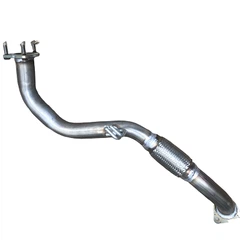
The exhaust pipe is responsible for carrying the exhaust gases from the engine to the tailpipe. It is typically made of stainless steel, aluminized steel, or mild steel. Stainless steel exhaust pipes offer the best corrosion resistance, followed by aluminized steel pipes. Mild steel pipes are the least resistant to corrosion and are often coated with a protective layer to improve their durability.
The thickness of the exhaust pipe can also affect its corrosion resistance. Thicker pipes are generally more resistant to corrosion than thinner pipes, as they provide more material to withstand the corrosive effects of the exhaust gases and the environment. In addition, the surface finish of the exhaust pipe can play a role in its corrosion resistance. A smooth, polished surface is less likely to accumulate moisture and debris, reducing the risk of corrosion.
Custom Exhaust Metal Flange
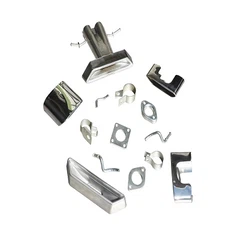
Custom exhaust metal flanges are used to connect different components of the exhaust system, such as the exhaust manifold, catalytic converter, and exhaust pipe. They are typically made of stainless steel or mild steel. Stainless steel flanges offer excellent corrosion resistance, while mild steel flanges can be coated with a protective layer to improve their durability.
The design of the custom exhaust metal flange can also affect its corrosion resistance. A well-designed flange will have a proper seal to prevent the ingress of moisture and exhaust gases. In addition, the flange should be properly tightened to ensure a secure connection and prevent the development of leaks, which can lead to corrosion.
Chrome Tip
The chrome tip is a decorative component that is attached to the end of the exhaust pipe. It is typically made of stainless steel or mild steel with a chrome-plated finish. Chrome plating provides a shiny, decorative appearance and also offers some protection against corrosion.
However, the chrome plating can be damaged by physical impact or exposure to harsh chemicals, which can expose the underlying metal to corrosion. To maintain the corrosion resistance of the chrome tip, it is important to keep it clean and dry and to avoid using abrasive cleaners or tools that can scratch the surface.
Importance of Corrosion Resistance in Exhaust System Parts
The corrosion resistance of exhaust system parts is crucial for several reasons. Firstly, it affects the performance of the exhaust system. Corroded parts can develop leaks, which can reduce the efficiency of the exhaust system and cause the engine to run less smoothly. In addition, corrosion can damage the catalytic converter, reducing its ability to reduce harmful emissions.
Secondly, corrosion resistance impacts the durability of the exhaust system parts. Parts that are prone to corrosion will have a shorter lifespan, requiring more frequent replacement. This can be costly for vehicle owners and can also lead to downtime and inconvenience.
Finally, corrosion resistance is important for the safety of the vehicle. Corroded exhaust system parts can become weak and brittle, increasing the risk of failure. A failed exhaust system can pose a serious safety hazard, as it can release toxic gases into the passenger compartment or cause a fire.
Contact Us for High-Quality Exhaust System Parts
As a leading supplier of exhaust system parts, we understand the importance of corrosion resistance and are committed to providing our customers with high-quality products that offer excellent durability and performance. Our exhaust system parts are made from the finest materials and are manufactured using the latest techniques to ensure the highest level of corrosion resistance.
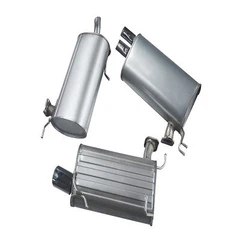
Whether you are a vehicle manufacturer, a repair shop, or an individual looking for replacement exhaust system parts, we have the products you need. Our extensive range of parts includes exhaust manifolds, catalytic converters, exhaust pipes, custom exhaust metal flanges, and chrome tips.
If you are interested in learning more about our exhaust system parts or would like to discuss your specific requirements, please contact us today. We look forward to working with you to provide the best solutions for your exhaust system needs.
References
- Davis, J. R. (Ed.). (2000). Stainless Steels. ASM International.
- Fontana, M. G. (1986). Corrosion Engineering (3rd ed.). McGraw-Hill.
- Schraeder, J. (2004). Automotive Exhaust Systems: Design, Performance, and Packaging. Society of Automotive Engineers.
Send Inquiry