

How does the heat shield in the exhaust system work?
Sep 03, 2025
Leave a message
Hey there! As a supplier of parts for exhaust systems, I've gotten a ton of questions about how different components work. One of the most frequently asked about is the heat shield in the exhaust system. So, let's dive right in and break down how this nifty little part does its job.
First off, what's the deal with heat shields anyway? Well, the exhaust system in a vehicle gets insanely hot. I'm talking hundreds of degrees here. And all that heat can cause some serious problems if it's not managed properly. That's where the heat shield comes in. Its main job is to protect other parts of the vehicle from the intense heat generated by the exhaust.


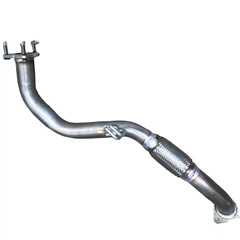
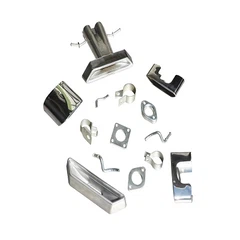
The exhaust system is made up of several parts, like the Exhaust Y Pipe Connector, Exhaust Pipe Hanger, and Catalytic Converter Cone. All these parts work together to get rid of the exhaust gases from the engine. But as the gases flow through the system, they heat up the pipes and other components.
The heat shield is usually made of a special material that can withstand high temperatures. It's often made of metal, like stainless steel or aluminum, because these metals can handle the heat without melting or deforming. The shield is placed around the exhaust pipes or other hot parts of the system.
So, how does it actually work? There are a few different ways. One of the main ways is through radiation. Heat is transferred in three ways: conduction, convection, and radiation. Radiation is when heat is transferred through electromagnetic waves. The heat shield acts as a barrier to these waves. It reflects a large portion of the heat radiation back towards the exhaust pipes, preventing it from spreading to other parts of the vehicle.
Let's say you've got an exhaust pipe that's really hot. The heat shield around it will reflect the infrared radiation that the pipe is giving off. This keeps the area around the exhaust system cooler. For example, if there are plastic parts or wiring near the exhaust, the heat shield stops the heat from reaching them and potentially melting or damaging them.
Another way the heat shield works is through convection. Convection is the transfer of heat through the movement of fluids (like air). When the exhaust pipes heat up the air around them, the hot air rises. The heat shield helps to disrupt this convection current. It's designed in such a way that it creates a barrier between the hot exhaust and the surrounding air. This slows down the movement of the hot air, reducing the amount of heat that's transferred to other parts of the vehicle.
Some heat shields also use insulation. They might have a layer of insulating material, like ceramic fiber or fiberglass, between two layers of metal. This insulation helps to absorb and trap the heat, preventing it from escaping. The insulating material has a low thermal conductivity, which means it doesn't let heat pass through easily.
Now, you might be wondering why this is so important. Well, if the heat from the exhaust system isn't managed properly, it can cause a whole bunch of problems. For one, it can damage other parts of the vehicle. Like I mentioned before, plastic parts and wiring can melt, which can lead to electrical problems or even fires.
It can also affect the performance of the vehicle. If the engine compartment gets too hot, it can cause the engine to overheat. This can lead to reduced power, poor fuel efficiency, and even engine damage. The heat shield helps to keep the engine compartment at a more stable temperature, which is better for the overall performance of the vehicle.
As a supplier of exhaust system parts, I know how important it is to have high - quality heat shields. That's why we make sure that all our heat shields are made from the best materials and are designed to work effectively. We test them thoroughly to make sure they can handle the high temperatures and protect other parts of the vehicle.
If you're in the market for exhaust system parts, including heat shields, we're here to help. Whether you're a mechanic working on a vehicle or a car enthusiast looking to upgrade your exhaust system, we've got the parts you need. Our heat shields are designed to fit a wide range of vehicles, and we can provide you with the right one for your specific needs.
So, if you're interested in purchasing exhaust system parts, don't hesitate to reach out. We're always happy to answer any questions you might have and help you find the right parts for your vehicle. You can contact us to start a conversation about your requirements.
References
- Automotive Exhaust Systems: Design, Components, and Function. A technical guidebook on exhaust systems.
- Heat Transfer Principles in Automotive Applications. A research paper on how heat is transferred in vehicles.
- Materials for High - Temperature Applications in Automotive Engineering. A study on the materials used in automotive parts that need to withstand high temperatures.
That's about it for how the heat shield in the exhaust system works. I hope this blog has been helpful in explaining this important component. If you have any more questions, feel free to ask!
Send Inquiry