

How often should I check my muffler hangers?
Jul 17, 2025
Leave a message
As a seasoned muffler supplier, I often get asked about the optimal frequency for checking muffler hangers. Muffler hangers might seem like a minor component in the grand scheme of a vehicle's exhaust system, but they play a crucial role in ensuring the proper functioning and longevity of your muffler. In this blog post, I'll delve into the factors that influence how often you should check your muffler hangers and provide some practical advice based on my years of experience in the industry.
Understanding the Role of Muffler Hangers
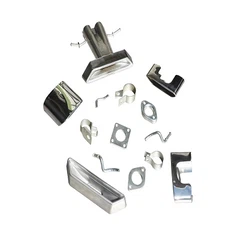
Before we discuss the checking frequency, it's important to understand what muffler hangers do. Muffler hangers are the small but mighty components that suspend the muffler and other parts of the exhaust system from the vehicle's frame. They are typically made of rubber or a combination of rubber and metal, which helps to absorb vibrations and prevent the exhaust system from rattling against the vehicle's undercarriage.
The primary functions of muffler hangers include:
- Support: They hold the muffler and exhaust pipes in place, ensuring that the exhaust system remains properly aligned and does not sag or come into contact with other parts of the vehicle.
- Vibration Dampening: By absorbing the vibrations generated by the engine and the movement of the vehicle, muffler hangers reduce noise and prevent excessive wear and tear on the exhaust system.
- Protection: They help to protect the exhaust system from damage caused by road debris, bumps, and potholes.
Factors Affecting the Checking Frequency
The frequency at which you should check your muffler hangers depends on several factors, including:


- Driving Conditions: If you frequently drive on rough or uneven roads, your muffler hangers are likely to experience more stress and wear. In such cases, it's advisable to check them more often.
- Vehicle Age and Mileage: Older vehicles and those with high mileage are more prone to muffler hanger problems. As the rubber components age, they can become brittle and lose their elasticity, increasing the risk of failure.
- Exhaust System Modifications: If you have made any modifications to your vehicle's exhaust system, such as installing a larger muffler or a performance exhaust, the additional weight and stress can put more strain on the muffler hangers. This may require more frequent inspections.
- Climate and Environment: Extreme temperatures, humidity, and exposure to salt (in areas where road salt is used in winter) can accelerate the deterioration of muffler hangers. In these conditions, it's important to check them regularly.
Recommended Checking Intervals
Based on the factors mentioned above, here are some general guidelines for how often you should check your muffler hangers:
- Normal Driving Conditions: For vehicles that are driven primarily on smooth roads and under normal conditions, it's recommended to check the muffler hangers at least once a year or every 12,000 - 15,000 miles.
- Rough Driving Conditions: If you frequently drive on rough roads, off-road, or in areas with a lot of potholes, you should check the muffler hangers every six months or every 6,000 - 7,500 miles.
- Older Vehicles and High Mileage: For vehicles that are over five years old or have more than 75,000 miles on the odometer, it's a good idea to check the muffler hangers every three to six months.
- Modified Exhaust Systems: If you have made any modifications to your vehicle's exhaust system, it's recommended to check the muffler hangers more frequently, such as every three months or every 3,000 - 4,000 miles.
How to Check Your Muffler Hangers
Checking your muffler hangers is a relatively simple process that can be done at home with a few basic tools. Here's how you can do it:
- Park Your Vehicle on a Level Surface: Make sure the engine is turned off and the vehicle is in park or neutral with the parking brake engaged.
- Locate the Muffler Hangers: The muffler hangers are typically located along the sides of the vehicle, near the muffler and exhaust pipes. They are usually made of rubber and are attached to the vehicle's frame and the exhaust system.
- Inspect the Hangers for Damage: Look for signs of wear, such as cracks, tears, or excessive stretching in the rubber components. Check the metal parts for rust, corrosion, or damage.
- Check the Tightness of the Hangers: Make sure the hangers are securely attached to the vehicle's frame and the exhaust system. If any of the hangers are loose or missing, they should be tightened or replaced.
- Look for Signs of Exhaust System Misalignment: If the muffler or exhaust pipes are sagging or rubbing against other parts of the vehicle, it could be a sign of a problem with the muffler hangers.
When to Replace Your Muffler Hangers
If you notice any of the following signs during your inspection, it's time to replace your muffler hangers:
- Visible Damage: Cracks, tears, or excessive wear in the rubber components of the hangers.
- Loose or Missing Hangers: If any of the hangers are loose or have come off, they should be replaced immediately.
- Exhaust System Misalignment: Sagging or rubbing of the muffler or exhaust pipes against other parts of the vehicle.
- Unusual Noise: Rattling or vibrating noises coming from the exhaust system, especially when the vehicle is in motion.
Our Muffler Products
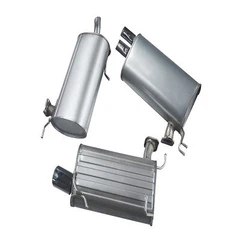
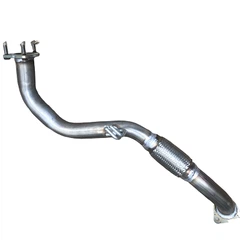
At our company, we offer a wide range of high-quality mufflers and related components to meet the needs of our customers. Whether you're looking for a Center Muffler For 2013 Nissan Tiida, a Rear Muffler for 2020 Toyota Corolla, or Center-rear Mufflers for 2003 Mazda M3, we have you covered. Our mufflers are designed to provide excellent performance, durability, and noise reduction, and are backed by our commitment to customer satisfaction.
Contact Us for Procurement
If you're interested in purchasing our mufflers or have any questions about our products, we encourage you to contact us for procurement discussions. Our team of experts is ready to assist you in finding the right muffler for your vehicle and providing you with the best possible service.
References
- "Automotive Exhaust Systems: Design, Performance, and Emissions Control" by David Crolla
- "Vehicle Maintenance and Repair Manuals" by various automotive manufacturers
Send Inquiry