

How to measure the performance of a manifold outlet?
Jun 30, 2025
Leave a message
Hey there! As a supplier of Manifold Outlets, I've been in the exhaust parts game for quite a while. One question that comes up a lot is, "How to measure the performance of a manifold outlet?" Well, I'm here to break it down for you in plain English.
Why Measuring Manifold Outlet Performance Matters
First off, why should you even care about measuring the performance of a manifold outlet? Well, a well - performing manifold outlet is crucial for the overall efficiency of an exhaust system. It helps in getting rid of exhaust gases quickly and smoothly, which in turn can improve engine performance. If the manifold outlet isn't doing its job right, you might end up with reduced power, lower fuel efficiency, and even some pesky engine problems.
Key Performance Indicators
Flow Rate
The flow rate is probably the most important factor when it comes to measuring the performance of a manifold outlet. Simply put, it's how much exhaust gas can pass through the outlet in a given amount of time. A higher flow rate generally means better performance. To measure the flow rate, you can use a flow bench. A flow bench simulates the flow of exhaust gases through the manifold outlet and measures the volume of air or gas that passes through it.
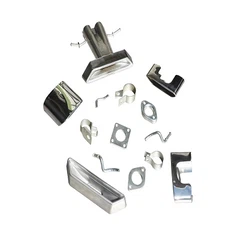
You can find more about exhaust system parts like Chrome Tip which can also impact the overall flow and look of your exhaust system.
Backpressure
Backpressure is another critical aspect. Backpressure is the resistance that the exhaust gases face as they try to exit the engine through the manifold outlet. While some backpressure is necessary for proper engine operation, too much of it can be a bad thing. High backpressure can cause the engine to work harder, leading to reduced power and efficiency.
To measure backpressure, you'll need a backpressure gauge. This gauge is installed in the exhaust system near the manifold outlet. It measures the pressure of the exhaust gases as they flow through the system. If the backpressure is too high, it might be a sign that the manifold outlet is restricted or not designed properly.
Temperature
The temperature of the exhaust gases can also tell you a lot about the performance of the manifold outlet. A well - performing manifold outlet should help in dissipating heat effectively. High exhaust gas temperatures can indicate that the outlet is not allowing the gases to flow freely, causing them to heat up more than normal.
You can use a pyrometer to measure the temperature of the exhaust gases at the manifold outlet. If the temperature is consistently higher than the recommended range, it's time to take a closer look at the outlet's design or condition.
Factors Affecting Manifold Outlet Performance
Design
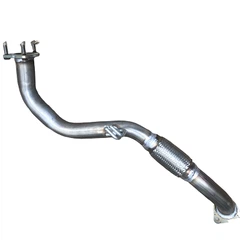
The design of the manifold outlet plays a huge role in its performance. A well - designed outlet will have smooth curves and a proper diameter to allow for efficient gas flow. For example, a Manifold Outlet with sharp bends or a too - small diameter can create turbulence and restrict the flow of exhaust gases.
Material
The material used to make the manifold outlet also matters. High - quality materials like stainless steel are more resistant to corrosion and can withstand high temperatures better. This means that the outlet will maintain its performance over a longer period of time. Cheaper materials might corrode or warp, leading to reduced performance.
Installation
Even the best - designed and highest - quality manifold outlet won't perform well if it's not installed correctly. Proper installation ensures that there are no leaks and that the outlet is aligned properly with the rest of the exhaust system. A misaligned or leaky outlet can cause a loss of pressure and reduce the overall performance of the system.
Testing and Evaluation
Once you've measured all the key performance indicators, it's time to evaluate the results. Compare the measured values with the manufacturer's specifications or industry standards. If the performance is below par, you might need to make some adjustments. This could involve cleaning the outlet, replacing worn - out parts, or even upgrading to a better - designed Manifold Outlet.
You can also consider using a custom - made Custom Exhaust Metal Flange to improve the connection between the manifold outlet and the rest of the exhaust system. This can help in reducing leaks and improving overall performance.
Conclusion
Measuring the performance of a manifold outlet is not as complicated as it might seem. By focusing on key indicators like flow rate, backpressure, and temperature, and considering factors like design, material, and installation, you can get a good idea of how well your manifold outlet is performing.
If you're in the market for a high - quality manifold outlet or other exhaust system parts, I'd love to have a chat with you. Whether you're a mechanic looking to stock up on parts or a car enthusiast building your dream ride, we've got the products and expertise to meet your needs. Reach out for a friendly chat about your requirements, and let's work together to get your exhaust system performing at its best.


References
- Automotive Exhaust Systems: Design, Theory, and Practice by Jack Erjavec
- Exhaust Systems: Performance and Emissions by Richard Stone
Send Inquiry