

What is the proper way to seal an exhaust pipe?
Oct 15, 2025
Leave a message
When it comes to the performance and longevity of a vehicle's exhaust system, properly sealing the exhaust pipe is of paramount importance. As a trusted exhaust pipe supplier, we understand the nuances and intricacies involved in this crucial process. In this blog post, we will delve into the proper way to seal an exhaust pipe, exploring various methods, materials, and best practices.
Understanding the Importance of Sealing an Exhaust Pipe
Before we dive into the sealing process, it's essential to understand why sealing an exhaust pipe is so important. A well - sealed exhaust pipe helps to maintain the efficiency of the exhaust system. It prevents exhaust gases from leaking, which can lead to a decrease in engine performance, increased fuel consumption, and potential damage to other components of the vehicle. Moreover, exhaust gases contain harmful substances such as carbon monoxide, and a leak can pose a serious health risk to the vehicle's occupants.
Types of Exhaust Pipe Joints
Exhaust pipes typically have different types of joints, and the sealing method may vary depending on the joint type.
Flange Joints
Flange joints are one of the most common types of joints in exhaust systems. They consist of two flat surfaces that are bolted together. To seal a flange joint, a gasket is usually used. Gaskets are made from various materials such as metal, graphite, or composite materials. Metal gaskets are durable and can withstand high temperatures, making them suitable for high - performance exhaust systems. Graphite gaskets are flexible and can conform well to irregular surfaces, providing a good seal. Composite gaskets combine the properties of different materials to offer a balance of durability and flexibility.
When installing a gasket on a flange joint, it's important to ensure that the surfaces are clean and free of debris. Any dirt or residue can prevent the gasket from forming a proper seal. The bolts should be tightened evenly to avoid uneven pressure on the gasket, which can lead to leaks.
Slip Joints
Slip joints are another type of joint where one pipe slides into another. These joints are often used in exhaust systems to allow for expansion and contraction due to temperature changes. To seal a slip joint, a clamp is typically used. There are different types of clamps available, such as band clamps and V - band clamps.
Band clamps are simple and easy to install. They consist of a metal band that is tightened around the joint using a bolt. V - band clamps, on the other hand, are more advanced and provide a stronger seal. They use a V - shaped groove and a locking mechanism to secure the joint. When using a clamp to seal a slip joint, it's important to position the clamp correctly and tighten it to the recommended torque.
Materials for Sealing Exhaust Pipes
High - Temperature Sealants
High - temperature sealants are often used in conjunction with gaskets or clamps to provide an extra layer of protection against leaks. These sealants are designed to withstand the high temperatures generated by the exhaust system. They can fill small gaps and imperfections in the joint, ensuring a tight seal.
There are different types of high - temperature sealants available, such as silicone - based sealants and ceramic - based sealants. Silicone - based sealants are flexible and can withstand temperatures up to a certain limit. Ceramic - based sealants, on the other hand, can withstand extremely high temperatures and are often used in high - performance exhaust systems.
Welding
In some cases, welding can be used to seal an exhaust pipe. Welding provides a permanent and airtight seal. However, it requires specialized equipment and skills. Welding is typically used for repairing damaged exhaust pipes or for custom - built exhaust systems. When welding an exhaust pipe, it's important to use the correct type of welding rod and to follow proper welding techniques to ensure a strong and durable seal.
Step - by - Step Guide to Sealing an Exhaust Pipe
Step 1: Inspect the Exhaust Pipe
Before starting the sealing process, it's important to inspect the exhaust pipe for any damage or wear. Look for cracks, holes, or signs of corrosion. If there are any significant damages, the pipe may need to be replaced.

Step 2: Clean the Joint Surfaces
Clean the surfaces of the joint thoroughly using a wire brush or a degreaser. Remove any dirt, rust, or old gasket material. A clean surface is essential for a proper seal.
Step 3: Select the Right Sealing Material
Based on the type of joint and the requirements of the exhaust system, select the appropriate sealing material. If it's a flange joint, choose a suitable gasket. If it's a slip joint, select the right type of clamp. You may also consider using a high - temperature sealant for added protection.
Step 4: Install the Sealing Material
If using a gasket, place it between the two flange surfaces. Make sure it is centered and aligned properly. If using a clamp, position it around the slip joint and tighten it to the recommended torque. Apply the high - temperature sealant if necessary, following the manufacturer's instructions.
Step 5: Tighten the Bolts or Clamps
For flange joints, tighten the bolts evenly in a criss - cross pattern. This helps to ensure that the pressure is distributed evenly across the gasket. For slip joints, tighten the clamp to the recommended torque using a torque wrench.
Step 6: Check for Leaks
After sealing the exhaust pipe, start the engine and listen for any signs of leaks. You can also use a smoke machine to detect leaks more accurately. If there are any leaks, re - check the installation of the sealing material and make any necessary adjustments.
Our Exhaust Pipe Products
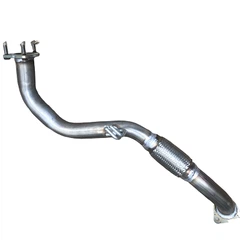
As an exhaust pipe supplier, we offer a wide range of high - quality exhaust pipes for different makes and models of vehicles. For example, we have the FRONT PIPE EXHAUST PIPE For 2003 - 2005 VOLKSWAGEN Passat, which is designed to fit perfectly and provide excellent performance. Our Front Pipe for Toyota Coaster RZB54 is also a popular choice among customers, known for its durability and reliability. And if you own a CAMRY ASV50, our INTERMEDIATE EXHAUST PIPE For CAMRY ASV50 is a great option.
Contact Us for Purchasing
If you are in the market for high - quality exhaust pipes or have any questions about sealing exhaust pipes, we are here to help. We have a team of experts who can provide you with professional advice and guidance. Whether you are a mechanic, a car enthusiast, or a business owner, we can meet your exhaust pipe needs. Contact us today to start a purchasing negotiation and take your vehicle's exhaust system to the next level.
References
- "Automotive Exhaust Systems: Design, Performance, and Packaging" by John Heywood
- "The Complete Guide to Automotive Exhaust Systems" by David Vizard
- Manufacturer's manuals for various exhaust pipe and sealing materials.
Send Inquiry