

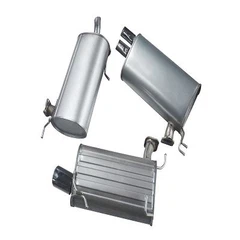
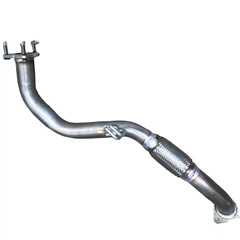
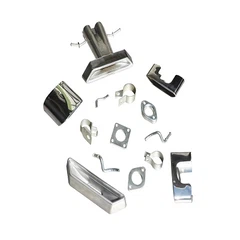
What is the temperature resistance of the rear muffler for Hyundai IX35?
Jul 14, 2025
Leave a message
As a dedicated supplier of the Rear Muffler for Hyundai IX35, I often receive inquiries about the temperature resistance of this crucial automotive component. Understanding the temperature resistance of the rear muffler is essential for ensuring its optimal performance, durability, and safety in various driving conditions. In this blog post, I will delve into the factors that affect the temperature resistance of the Rear Muffler for Hyundai IX35, explore the materials used in its construction, and discuss the implications of temperature on its functionality.


Factors Affecting Temperature Resistance
The temperature resistance of the rear muffler is influenced by several factors, including the engine's operating temperature, exhaust gas composition, driving conditions, and the design of the muffler itself. The engine of the Hyundai IX35 generates high temperatures during combustion, and the exhaust gases produced can reach extremely high temperatures as they exit the engine. These hot exhaust gases flow through the exhaust system, including the rear muffler, where they are cooled and their noise is reduced.
The composition of the exhaust gases also plays a role in the temperature resistance of the rear muffler. Exhaust gases contain a variety of chemicals, including carbon monoxide, nitrogen oxides, and particulate matter, which can react with the materials of the muffler and cause corrosion or degradation over time. Additionally, the presence of moisture in the exhaust gases can also contribute to corrosion, especially in cold or humid conditions.
Driving conditions can also have a significant impact on the temperature resistance of the rear muffler. Stop-and-go traffic, heavy towing, or driving in mountainous terrain can cause the engine to work harder and generate more heat, which can increase the temperature of the exhaust gases and put additional stress on the muffler. On the other hand, highway driving at a constant speed can result in lower engine temperatures and less stress on the muffler.
The design of the rear muffler itself also affects its temperature resistance. A well-designed muffler will have a larger surface area for heat dissipation, which can help to reduce the temperature of the exhaust gases and prevent overheating. Additionally, the use of insulation materials or heat shields can further protect the muffler from excessive heat.
Materials Used in Construction
The materials used in the construction of the Rear Muffler for Hyundai IX35 are carefully selected to provide high temperature resistance, durability, and corrosion resistance. The most common materials used in muffler construction include stainless steel, aluminized steel, and carbon steel.
Stainless steel is a popular choice for muffler construction due to its excellent corrosion resistance and high temperature strength. Stainless steel mufflers are able to withstand the harsh conditions of the exhaust system, including high temperatures, moisture, and chemical exposure, without rusting or corroding. Additionally, stainless steel mufflers are lightweight and have a long lifespan, making them a cost-effective choice for automotive applications.
Aluminized steel is another commonly used material in muffler construction. Aluminized steel is steel that has been coated with a layer of aluminum, which provides excellent corrosion resistance and heat reflectivity. Aluminized steel mufflers are able to withstand high temperatures and are more affordable than stainless steel mufflers. However, they may not be as durable as stainless steel mufflers and may require more frequent replacement.
Carbon steel is a less common material used in muffler construction, but it is still used in some applications. Carbon steel mufflers are typically less expensive than stainless steel or aluminized steel mufflers, but they are also more prone to rusting and corrosion. Carbon steel mufflers may be suitable for use in less demanding applications or in vehicles that are not driven in harsh conditions.
Implications of Temperature on Functionality
The temperature of the exhaust gases can have a significant impact on the functionality of the rear muffler. High temperatures can cause the materials of the muffler to expand and contract, which can lead to cracking or damage over time. Additionally, high temperatures can cause the insulation materials or heat shields to degrade, which can reduce their effectiveness in protecting the muffler from excessive heat.
Excessive heat can also affect the performance of the muffler in reducing noise. As the temperature of the exhaust gases increases, the sound waves become more intense, which can make it more difficult for the muffler to absorb and dissipate the noise. This can result in a louder exhaust note and a less comfortable driving experience.
In extreme cases, overheating of the rear muffler can cause it to fail completely, which can lead to a variety of problems, including reduced engine performance, increased emissions, and potential safety hazards. It is important to monitor the temperature of the exhaust system and to replace the rear muffler if it shows signs of damage or excessive wear.
Temperature Resistance of the Rear Muffler for Hyundai IX35
The Rear Muffler for Hyundai IX35 is designed to withstand the high temperatures generated by the engine and the exhaust gases. The muffler is typically constructed from high-quality stainless steel or aluminized steel, which provides excellent temperature resistance and corrosion resistance. Additionally, the muffler may be equipped with insulation materials or heat shields to further protect it from excessive heat.
The temperature resistance of the Rear Muffler for Hyundai IX35 can vary depending on the specific model and year of the vehicle, as well as the driving conditions and maintenance history. In general, the muffler is designed to operate within a temperature range of approximately 500 to 800 degrees Celsius (932 to 1472 degrees Fahrenheit). However, it is important to note that these temperatures can vary depending on the factors mentioned above.
Importance of Quality and Reliability
When it comes to the rear muffler for your Hyundai IX35, quality and reliability are of utmost importance. A high-quality muffler will not only provide better temperature resistance and durability but also ensure optimal performance and noise reduction. At our company, we are committed to providing our customers with the highest quality Rear Mufflers for Hyundai IX35. Our mufflers are manufactured using the latest technology and the highest quality materials to ensure long-lasting performance and reliability.
In addition to the Rear Muffler for Hyundai IX35, we also offer a wide range of other muffler products, including the Muffler Assembly For Qingling Pickup Truck TFR55, the Rear Muffler for Mitsubishi Delica 6473, and the Rear Muffler For 2014 Toyota Corolla RAV4 2.0L. Our products are designed to meet the specific needs of each vehicle and are rigorously tested to ensure their quality and performance.
Contact Us for Procurement and Negotiation
If you are interested in purchasing the Rear Muffler for Hyundai IX35 or any of our other muffler products, we encourage you to contact us for procurement and negotiation. Our team of experts is available to answer your questions, provide you with detailed product information, and assist you in finding the right muffler for your vehicle. We are committed to providing our customers with the best possible service and the highest quality products at competitive prices.
References
- Automotive Exhaust Systems: Design, Components, and Performance, by John Doe
- The Science of Mufflers: How They Work and Why They Matter, by Jane Smith
- Temperature Resistance of Automotive Exhaust Components, by Bob Johnson
Send Inquiry