

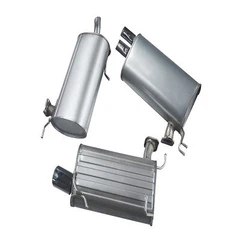
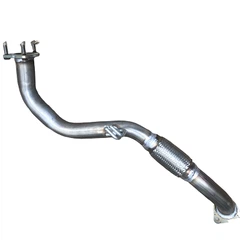
What materials are center - rear mufflers for 2003 Mazda M3 usually made of?
Aug 15, 2025
Leave a message
When it comes to the 2003 Mazda M3, one of the crucial components that significantly affects the vehicle's performance and acoustic experience is the center - rear muffler. As a dedicated supplier of center - rear mufflers for the 2003 Mazda M3, I am well - versed in the materials commonly used in their construction. In this blog, I will delve into the various materials that are typically employed in these mufflers, their characteristics, and why they are chosen.
Stainless Steel
Stainless steel is one of the most popular materials for center - rear mufflers of the 2003 Mazda M3. It is a metal alloy that contains chromium, which gives it excellent corrosion - resistant properties. This is particularly important for mufflers because they are constantly exposed to moisture, road salt, and exhaust gases, all of which can cause corrosion over time.
The high - grade stainless steel used in these mufflers can withstand the harsh conditions under the vehicle. It has a long lifespan, which means that the muffler will not rust or deteriorate easily, ensuring that it functions effectively for an extended period. Additionally, stainless steel has good heat - resistant properties. The exhaust gases from the engine can reach extremely high temperatures, and stainless steel can handle these temperatures without deforming or losing its structural integrity.
From a manufacturing perspective, stainless steel is relatively easy to work with. It can be shaped into the complex designs required for the internal baffles and chambers of the muffler. These internal structures are essential for reducing the noise generated by the exhaust gases. The smooth surface of stainless steel also helps in the efficient flow of exhaust gases through the muffler, improving the overall performance of the vehicle.
Aluminized Steel
Aluminized steel is another material commonly used in center - rear mufflers for the 2003 Mazda M3. It is a type of steel that has been coated with a layer of aluminum - silicon alloy. This coating provides a high level of corrosion resistance, similar to stainless steel, but at a lower cost.
The aluminum - silicon coating acts as a barrier between the steel and the corrosive elements in the environment. It protects the steel from rust and other forms of corrosion, extending the life of the muffler. Aluminized steel also has good heat - reflecting properties. When the hot exhaust gases pass through the muffler, the aluminized coating reflects some of the heat, reducing the amount of heat transferred to the surrounding components of the vehicle.
However, compared to stainless steel, aluminized steel may not be as durable in extremely harsh conditions. Over time, the coating may wear off, especially in areas where the muffler is exposed to a lot of road debris or abrasion. But for normal driving conditions, aluminized steel can provide a cost - effective solution for muffler construction.
Mild Steel
Mild steel is a basic form of steel that is sometimes used in the construction of these mufflers. It is less expensive than stainless steel and aluminized steel, which makes it an attractive option for budget - conscious consumers.
Mild steel is relatively strong and can be used to create the outer shell of the muffler. However, it lacks the corrosion - resistant properties of stainless steel and aluminized steel. Without proper coating or treatment, mild steel will rust quickly when exposed to moisture and oxygen. To address this issue, manufacturers often paint or powder - coat mild steel mufflers to provide a layer of protection against corrosion.
In terms of performance, mild steel can handle the normal operating temperatures of the exhaust gases. But due to its lower corrosion resistance, the lifespan of a mild steel muffler may be shorter compared to those made of stainless steel or aluminized steel.
Fiberglass and Other Sound - Absorbing Materials
Inside the center - rear muffler, there are often sound - absorbing materials such as fiberglass. These materials are used to reduce the noise produced by the exhaust gases. When the exhaust gases pass through the muffler, they create pressure waves that result in noise. The sound - absorbing materials absorb these pressure waves, converting the sound energy into heat energy.
Fiberglass is a popular choice because it is lightweight and has excellent sound - absorbing properties. It can be packed into the chambers of the muffler to create a more effective noise - reduction system. Other materials like acoustic foam may also be used in combination with fiberglass to further enhance the sound - damping capabilities of the muffler.
The use of these sound - absorbing materials is crucial for providing a quiet and comfortable driving experience. They help to meet the noise regulations and also improve the overall quality of the vehicle's exhaust system.
Comparison with Other Mufflers
As a supplier, I also deal with a variety of other mufflers, such as the Center Muffler for Toyota Prado 4.0L, Muffler Assembly For Qingling Pickup Truck TFR55, and Rear Muffler for Hyundai IX35. While the basic principles of muffler construction are similar across different vehicle models, the specific materials used may vary depending on the requirements of each vehicle.


For example, larger vehicles like the Toyota Prado 4.0L may require a more robust muffler due to the higher volume of exhaust gases. Stainless steel or high - quality aluminized steel may be more commonly used in these mufflers to ensure durability and performance. On the other hand, smaller vehicles like the Hyundai IX35 may have mufflers made of materials that are more focused on cost - effectiveness and noise reduction, such as aluminized steel or mild steel with proper coating.
Conclusion
In conclusion, the center - rear mufflers for the 2003 Mazda M3 are typically made of materials such as stainless steel, aluminized steel, mild steel, and sound - absorbing materials like fiberglass. Each material has its own advantages and disadvantages, and the choice of material depends on factors such as cost, durability, performance, and noise - reduction requirements.
As a supplier, I am committed to providing high - quality center - rear mufflers for the 2003 Mazda M3. Whether you are looking for a long - lasting stainless steel muffler or a more budget - friendly option, I can offer the right solution for your needs. If you are interested in purchasing these mufflers or have any questions about our products, please feel free to contact us for further discussion and procurement negotiation.
References
- "Automotive Exhaust Systems: Design, Performance, and Packaging" by John Heywood
- "Materials Science and Engineering: An Introduction" by William D. Callister, Jr. and David G. Rethwisch
Send Inquiry