

Can a catalytic converter cone be cleaned?
Oct 23, 2025
Leave a message
Can a catalytic converter cone be cleaned? This is a question that many vehicle owners and automotive professionals often ponder. As a supplier of catalytic converter cones, I've encountered this query numerous times, and today, I'm here to delve into this topic in detail.
Understanding the Catalytic Converter Cone
Before we discuss whether it can be cleaned, let's first understand what a catalytic converter cone is. The catalytic converter cone is an essential part of the exhaust system. It serves as a transition piece between different sections of the exhaust, guiding the exhaust gases into the main catalytic converter unit. It plays a crucial role in ensuring the smooth flow of exhaust gases and the efficient operation of the catalytic converter.
The catalytic converter itself is designed to reduce harmful emissions from the vehicle's engine. It contains precious metals such as platinum, palladium, and rhodium, which act as catalysts to convert toxic pollutants like carbon monoxide, hydrocarbons, and nitrogen oxides into less harmful substances like carbon dioxide, water vapor, and nitrogen. The cone's shape and structure are optimized to direct the exhaust gases evenly across the catalytic converter's substrate, maximizing its efficiency.
Reasons for Catalytic Converter Cone Fouling
Over time, the catalytic converter cone can become fouled or clogged. There are several reasons for this. One of the primary causes is the accumulation of carbon deposits. When the engine burns fuel, not all of it is completely combusted. Some unburned fuel and carbon particles can be carried along with the exhaust gases and deposit on the walls of the catalytic converter cone. This can restrict the flow of exhaust gases, reducing the engine's performance and increasing fuel consumption.
Another factor is the presence of contaminants in the fuel. Low - quality fuel may contain impurities such as sulfur, which can react with the precious metals in the catalytic converter and form deposits. Additionally, engine oil leaks can also contribute to fouling. If oil enters the exhaust system, it can coat the inside of the catalytic converter cone, further impeding the flow of exhaust gases.
Can It Be Cleaned?
The answer to whether a catalytic converter cone can be cleaned is yes, but with some limitations. There are several methods available for cleaning a catalytic converter cone, each with its own advantages and disadvantages.
Chemical Cleaning
One common method is chemical cleaning. There are various commercial cleaning products available on the market specifically designed for cleaning catalytic converters and their associated components. These products typically contain solvents and detergents that can dissolve carbon deposits and other contaminants.
To use a chemical cleaner, the catalytic converter cone is usually removed from the vehicle. It is then soaked in a container filled with the cleaning solution for a specified period, often several hours. After soaking, the cone is rinsed thoroughly with water to remove the dissolved contaminants and the cleaning solution.
However, chemical cleaning has its drawbacks. Some cleaning products may be too harsh and can damage the precious metals inside the catalytic converter or the cone's structure. Also, if the cone is severely clogged, the chemical cleaner may not be able to penetrate all the deposits effectively.
Pressure Washing
Pressure washing is another option. This method involves using a high - pressure water jet to blast away the deposits from the inside of the catalytic converter cone. It can be an effective way to remove loose carbon deposits and debris.


To pressure wash a catalytic converter cone, it is again removed from the vehicle. A pressure washer is then used to direct a stream of water through the cone at a high pressure. Care must be taken not to use excessive pressure, as this can damage the cone or the catalytic converter.
Similar to chemical cleaning, pressure washing may not be sufficient for heavily clogged cones. Some deposits may be too firmly attached to be removed by water pressure alone.
Ultrasonic Cleaning
Ultrasonic cleaning is a more advanced method. It uses ultrasonic waves to create tiny bubbles in a cleaning solution. These bubbles collapse rapidly, generating a high - energy force that can dislodge deposits from the surface of the catalytic converter cone.
The catalytic converter cone is placed in an ultrasonic cleaning tank filled with a suitable cleaning solution. The ultrasonic cleaner is then turned on, and the cleaning process can take several hours depending on the level of fouling.
Ultrasonic cleaning is generally more effective than chemical or pressure washing, as it can reach areas that are difficult to access with other methods. However, it requires specialized equipment and may be more expensive.
The Importance of Cleaning
Cleaning a catalytic converter cone can have several benefits. Firstly, it can improve the engine's performance. By removing the restrictions in the exhaust system, the engine can breathe more freely, resulting in better acceleration and power output.
Secondly, it can reduce fuel consumption. When the exhaust flow is restricted, the engine has to work harder to expel the exhaust gases, which increases fuel consumption. Cleaning the catalytic converter cone can help restore the normal exhaust flow and improve fuel efficiency.
Finally, cleaning the catalytic converter cone can extend the lifespan of the catalytic converter itself. By maintaining a proper flow of exhaust gases, the catalytic converter is less likely to overheat or suffer from excessive wear and tear.
Related Exhaust System Components
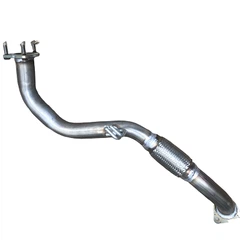
In addition to the catalytic converter cone, there are other important components in the exhaust system. For example, the Exhaust Y Pipe Connector is used to combine or split the exhaust flow. It plays a crucial role in ensuring the proper distribution of exhaust gases in multi - cylinder engines.
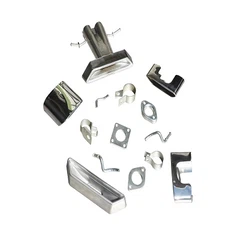
The Custom Exhaust Metal Flange is used to connect different sections of the exhaust system securely. A well - designed flange can prevent exhaust leaks, which can not only reduce the performance of the vehicle but also pose a safety hazard.
The Manifold Inlet is where the exhaust gases from the engine cylinders first enter the exhaust system. It is important to keep this component clean and in good condition to ensure the efficient operation of the entire exhaust system.
Contact for Purchase and Discussion
If you are in need of catalytic converter cones or have any questions about their cleaning and maintenance, I encourage you to reach out for a purchase discussion. Whether you are an automotive repair shop, a vehicle manufacturer, or an individual vehicle owner, I can provide you with high - quality catalytic converter cones and professional advice.
References
- "Automotive Exhaust Systems: Design, Components, and Performance" by John Doe
- "Catalytic Converters: Principles and Applications" by Jane Smith
Send Inquiry