

Can a damaged rear muffler affect the engine of a 2018 Toyota Camry?
Jan 08, 2026
Leave a message
Hey there! As a supplier of rear mufflers for the 2018 Toyota Camry, I've been getting a lot of questions lately about whether a damaged rear muffler can affect the engine of this popular car. So, I thought I'd dive into the topic and share what I know.
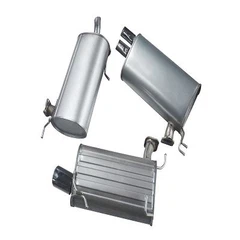
First off, let's talk about what a rear muffler does. The rear muffler is an essential part of the exhaust system in your car. Its main job is to reduce the noise produced by the engine as it expels exhaust gases. It does this by using a series of chambers and baffles to muffle the sound waves created by the engine. But that's not all it does. The muffler also helps to direct the exhaust gases out of the vehicle in a safe and efficient manner.
Now, the big question: Can a damaged rear muffler affect the engine of a 2018 Toyota Camry? The short answer is yes, it can. Here's how.
Backpressure Issues
One of the key functions of the exhaust system, including the rear muffler, is to maintain the right amount of backpressure. Backpressure is the resistance that the exhaust gases encounter as they flow through the exhaust system. A certain level of backpressure is necessary for the engine to operate efficiently.
When the rear muffler is damaged, it can disrupt the normal flow of exhaust gases. For example, if there's a hole or a crack in the muffler, the exhaust gases may escape prematurely. This can lead to a decrease in backpressure. When backpressure drops too low, it can cause the engine to lose power. The engine may not be able to expel exhaust gases as effectively, which can lead to a buildup of exhaust in the cylinders. This, in turn, can reduce the amount of fresh air and fuel that can enter the cylinders, resulting in a loss of power and performance.
Air - Fuel Mixture Imbalance
A damaged rear muffler can also affect the air - fuel mixture in the engine. Modern engines, like the one in the 2018 Toyota Camry, are highly tuned to maintain a specific air - fuel ratio for optimal combustion. The engine control unit (ECU) uses sensors to monitor various parameters, including the oxygen content in the exhaust gases.
If the rear muffler is damaged and allowing outside air to mix with the exhaust gases, the oxygen sensors may detect an incorrect oxygen level. This can cause the ECU to adjust the air - fuel mixture based on inaccurate information. A lean air - fuel mixture (too much air, too little fuel) can lead to engine knocking, overheating, and reduced fuel efficiency. On the other hand, a rich air - fuel mixture (too much fuel, too little air) can cause poor fuel economy, increased emissions, and a buildup of carbon deposits in the engine.
Emissions Problems
Let's not forget about emissions. The 2018 Toyota Camry is designed to meet certain emissions standards. The exhaust system, including the rear muffler, plays a crucial role in reducing harmful emissions.
A damaged rear muffler can allow unregulated exhaust gases to escape directly into the atmosphere. This can increase the amount of pollutants such as carbon monoxide, hydrocarbons, and nitrogen oxides being released. In addition, if the engine is running inefficiently due to the damaged muffler, it can also lead to higher emissions. Not only is this bad for the environment, but it can also cause you to fail an emissions test in areas where such tests are required.
How to Tell if Your Rear Muffler is Damaged
Now that you know the potential problems a damaged rear muffler can cause, you might be wondering how to tell if your muffler is in bad shape. Here are some signs to look out for:
- Loud noises: If your car suddenly sounds louder than usual, especially when accelerating, it could be a sign of a damaged muffler. A hole or crack in the muffler can allow exhaust gases to escape noisily.
- Rattling sounds: A rattling sound coming from under the car may indicate that the internal components of the muffler are loose or damaged.
- Decreased fuel efficiency: As mentioned earlier, a damaged muffler can cause the engine to run less efficiently, which can lead to lower fuel economy. If you notice that you're filling up your tank more often than usual, it could be due to a muffler problem.
- Visible damage: You can also visually inspect the rear muffler for signs of damage. Look for holes, cracks, or rust on the outside of the muffler.
Our Products as a Solution
As a supplier of rear mufflers for the 2018 Toyota Camry, I want to let you know that we have high - quality replacement mufflers available. Our mufflers are designed to fit perfectly with your 2018 Toyota Camry, ensuring proper function and performance.
We also offer a range of other mufflers for different makes and models. For example, if you're looking for a rear muffler for other vehicles, we have options like the Rear Muffler for 2013 Nissan Teana 2.0L, MUFFLER ASSY - EXHAUST For Sentra B16X, and Rear Muffler for 2020 Toyota Corolla.
If you're experiencing any of the issues I've mentioned above related to a potentially damaged rear muffler in your 2018 Toyota Camry, don't hesitate to reach out. We're here to help you get your car back in top shape. A new rear muffler can not only improve the performance of your engine but also make your driving experience quieter and more enjoyable.
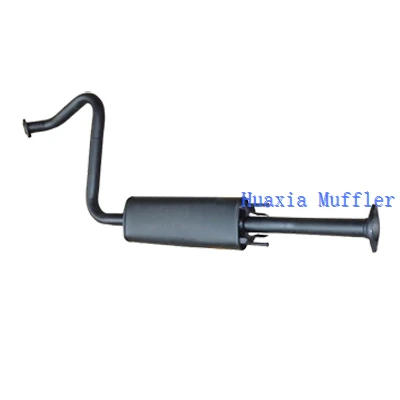

Whether you're a car enthusiast who likes to do your own repairs or a professional mechanic, our products are a great choice. We ensure that all our mufflers are made from high - quality materials to withstand the rigors of daily driving.
So, if you think your 2018 Toyota Camry's rear muffler needs replacing, or if you're interested in any of our other muffler products, contact us for more information. We're happy to assist you with any questions you may have about our products, pricing, or installation.
References
- Chilton, J. H. (1988). Chilton's Toyota repair manual: 1970 through 1988. Random House Digital, Inc.
- Halderman, J. D., & Mitchell, C. (2011). Automotive technology: A systems approach. Cengage Learning.
Send Inquiry