

How does a muffler cutout work?
Jun 20, 2025
Leave a message
A muffler cutout is a performance - enhancing device that has gained popularity among automotive enthusiasts. As a muffler supplier, I'm often asked about how a muffler cutout works. In this blog, I'll delve into the mechanics of a muffler cutout, its benefits, and considerations for using one.
What is a Muffler Cutout?
A muffler cutout is a valve installed in the exhaust system of a vehicle. It provides a way to bypass the muffler, allowing the exhaust gases to flow more freely. The basic idea behind a muffler cutout is to give the driver the option to switch between a quiet, street - legal exhaust setup and a louder, high - performance configuration.
How Does a Muffler Cutout Work?
Installation Location
Typically, a muffler cutout is installed between the exhaust manifold and the muffler. It is connected to the exhaust pipe in such a way that it can divert the exhaust flow. There are two main types of cutouts: manual and electric.
Manual Muffler Cutouts
A manual muffler cutout is operated by a cable or a lever. When the driver pulls the cable or moves the lever, it opens a valve in the cutout. Once the valve is open, the exhaust gases can flow directly through the cutout, bypassing the muffler. This results in a significant increase in exhaust noise and a reduction in back - pressure. When the driver wants to return to a quieter operation, they simply reverse the action, closing the valve and forcing the exhaust gases back through the muffler.
Electric Muffler Cutouts
Electric muffler cutouts are more convenient as they can be controlled with a switch inside the vehicle. The switch sends an electrical signal to a solenoid, which then opens or closes the valve in the cutout. This allows the driver to change the exhaust mode without having to reach outside the vehicle. Some advanced electric cutouts can even be integrated with the vehicle's onboard computer system, enabling automated control based on driving conditions.
The Science Behind the Function
To understand how a muffler cutout affects the performance of a vehicle, we need to look at the role of the muffler in the exhaust system. A muffler is designed to reduce the noise produced by the exhaust gases by using a series of chambers and baffles. These chambers and baffles create a path for the exhaust gases that causes them to bounce around, which in turn reduces the sound waves. However, this also creates back - pressure in the exhaust system.
Back - pressure is the resistance that the exhaust gases face as they flow through the exhaust system. While a certain amount of back - pressure is necessary for proper engine operation, too much back - pressure can restrict the flow of exhaust gases. When the muffler cutout is opened, the exhaust gases can flow more freely, reducing the back - pressure. This allows the engine to expel the exhaust gases more quickly, which can lead to an increase in horsepower and torque.
Benefits of Using a Muffler Cutout
Performance Improvement
As mentioned earlier, opening the muffler cutout reduces back - pressure, which can result in improved engine performance. The engine can breathe more easily, allowing it to produce more power. This is especially beneficial for high - performance vehicles that require a free - flowing exhaust system to reach their full potential.
Sound Customization
One of the main attractions of a muffler cutout is the ability to customize the sound of the vehicle. When the cutout is open, the vehicle produces a loud, aggressive exhaust note that is popular among car enthusiasts. When the cutout is closed, the vehicle can operate quietly, making it suitable for everyday driving.
Flexibility
A muffler cutout provides the driver with the flexibility to switch between a quiet and a loud exhaust mode. This is useful in different driving situations. For example, when driving in a residential area, the driver can keep the cutout closed to avoid disturbing the neighbors. When on the track or an open road, the driver can open the cutout to enjoy the full performance and sound of the vehicle.
Considerations When Using a Muffler Cutout
Legal Issues
The use of a muffler cutout may be illegal in some areas. Many states and countries have noise regulations that limit the amount of noise a vehicle can produce. Opening a muffler cutout can cause the vehicle to exceed these noise limits, resulting in fines or other legal consequences. It's important to check the local laws before installing a muffler cutout.
Maintenance
Both manual and electric muffler cutouts require regular maintenance. The valves in the cutout can become dirty or corroded over time, which can affect their performance. It's important to clean and lubricate the valves periodically to ensure smooth operation.
Exhaust System Compatibility
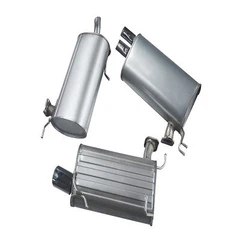
Not all vehicles are suitable for a muffler cutout. The size and design of the exhaust system can affect the performance of the cutout. It's important to choose a cutout that is compatible with the vehicle's exhaust system. As a muffler supplier, I can help you select the right cutout for your vehicle. We offer a wide range of products, such as the Center Muffler for Toyota Prado 4.0L, Center Muffler For Mitsubishi Pajero V73, and Rear Muffler for 2020 Toyota Corolla.
Conclusion
A muffler cutout is a versatile and performance - enhancing device that can provide many benefits to vehicle owners. Whether you're looking to improve the performance of your vehicle or simply want to customize its sound, a muffler cutout can be a great addition. However, it's important to consider the legal issues, maintenance requirements, and exhaust system compatibility before installing one.
If you're interested in purchasing a muffler cutout or any other muffler products, I invite you to contact me for more information. Our team of experts can help you find the right product for your vehicle and provide you with professional advice on installation and maintenance. We are committed to providing high - quality products and excellent customer service.


References
- "Automotive Exhaust Systems: Fundamentals, Theory, and Design" by John Heywood.
- SAE International Journal of Passenger Cars - Mechanical Systems.
- Various technical documents from leading automotive parts manufacturers.
Send Inquiry