

How to repair a leaking manifold inlet?
Oct 10, 2025
Leave a message
Repairing a leaking manifold inlet is a crucial task that requires a combination of technical know - how and the right tools. As a manifold inlet supplier, I've seen firsthand the importance of addressing leaks promptly to ensure the efficient operation of an engine. In this blog, I'll guide you through the process of repairing a leaking manifold inlet step by step.
Understanding the Manifold Inlet
The manifold inlet is an essential part of the engine's intake system. It distributes the air - fuel mixture to the cylinders. A leak in the manifold inlet can lead to several problems, such as reduced engine performance, increased fuel consumption, and even misfires. Before you start the repair process, it's important to understand the components of the manifold inlet. It typically consists of a cast or fabricated structure with ports that connect to the cylinders, gaskets to seal the connections, and sometimes sensors for monitoring air flow and temperature.
Identifying the Leak
The first step in repairing a leaking manifold inlet is to identify the source of the leak. There are several methods you can use to do this. One common method is to use a smoke machine. A smoke machine pumps a fine smoke into the intake system. If there is a leak, the smoke will escape from the leak point, making it visible. Another method is to listen for a hissing sound. With the engine running, you can carefully listen around the manifold inlet for any signs of air escaping. You can also use a propane torch (with extreme caution) to detect leaks. By passing the torch around the suspected leak areas, if the engine RPM changes, it indicates a leak as the propane is being drawn into the intake through the leak.
Gathering the Necessary Tools and Parts
Once you've identified the leak, it's time to gather the tools and parts you'll need for the repair. Some of the essential tools include a socket set, wrenches, a torque wrench, a gasket scraper, and a sealant. You'll also need a replacement gasket for the manifold inlet. Make sure to choose a high - quality gasket that is compatible with your engine. Additionally, if there are any damaged bolts or studs, you'll need to replace them.
Removing the Manifold Inlet
Before you can repair the leak, you need to remove the manifold inlet. Start by disconnecting the battery to prevent any electrical accidents. Then, remove all the hoses and electrical connections attached to the manifold inlet. This may include the air intake hose, vacuum lines, and sensor connectors. Next, use your socket set and wrenches to remove the bolts that hold the manifold inlet in place. Be sure to keep track of the bolts and their locations, as they may vary in size and length. Once all the bolts are removed, carefully lift the manifold inlet off the engine.
Cleaning the Surfaces
With the manifold inlet removed, it's important to clean the mating surfaces on both the manifold inlet and the engine block. Use a gasket scraper to remove any old gasket material, dirt, and debris. Make sure the surfaces are smooth and free of any scratches or nicks. You can also use a cleaning solvent to thoroughly clean the surfaces. After cleaning, dry the surfaces completely to ensure a proper seal.
Inspecting for Damage
While the manifold inlet is removed, take the time to inspect it for any other signs of damage. Check for cracks, warping, or corrosion. If you find any significant damage, you may need to replace the entire manifold inlet. Minor cracks can sometimes be repaired using a high - temperature epoxy or a welding process, but this should only be done if you have the necessary skills and equipment.
Installing the New Gasket
Once the surfaces are clean and inspected, it's time to install the new gasket. Carefully place the gasket on the engine block, aligning the holes with the bolt holes. Make sure the gasket is centered and properly seated. You can use a small amount of gasket sealant on the gasket to help it adhere and create a better seal. However, be careful not to use too much sealant, as it can squeeze out and cause blockages or other issues.
Reinstalling the Manifold Inlet
With the new gasket in place, carefully lower the manifold inlet onto the engine block. Align the bolt holes and insert the bolts. Tighten the bolts in a criss - cross pattern using a torque wrench. This ensures that the manifold inlet is evenly tightened and that the gasket is properly compressed. Refer to your vehicle's service manual for the correct torque specifications.
Reconnecting the Hoses and Electrical Connections
After the manifold inlet is reinstalled, reconnect all the hoses and electrical connections that you removed earlier. Make sure they are properly seated and secured. Check for any signs of damage or wear on the hoses and replace them if necessary.
Testing the Repair
Once everything is reconnected, it's time to test the repair. Reconnect the battery and start the engine. Listen for any signs of a remaining leak, such as a hissing sound. Check the engine performance and make sure there are no misfires or other issues. You can also use a diagnostic scanner to check for any error codes related to the intake system. If everything seems to be working properly, take the vehicle for a short test drive to further verify the repair.


Related Parts and Their Importance
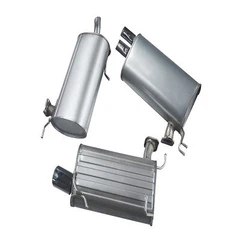
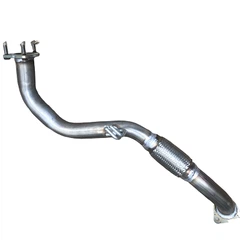
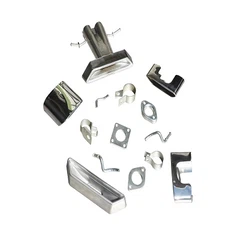
In the exhaust system, there are several related parts that work in conjunction with the manifold inlet. For example, the Muffler Bracket plays a crucial role in supporting the muffler. A damaged muffler bracket can cause the muffler to vibrate excessively, leading to premature wear and potential leaks. The Exhaust Y Pipe Connector is responsible for joining two exhaust pipes into one, ensuring a smooth flow of exhaust gases. A faulty connector can result in exhaust leaks and reduced engine performance. The Catalytic Converter Cone helps to direct the exhaust gases into the catalytic converter efficiently. Any damage to the cone can affect the performance of the catalytic converter and the overall exhaust system.
Conclusion
Repairing a leaking manifold inlet is a complex but achievable task. By following these steps and using the right tools and parts, you can effectively repair the leak and restore your engine's performance. As a manifold inlet supplier, I'm committed to providing high - quality products and support to help you with your repair needs. If you have any questions or need further assistance, or if you're interested in purchasing manifold inlets or related parts, please don't hesitate to contact us for procurement and negotiation.
References
- Automotive Repair Manuals
- Manufacturer's Technical Bulletins
- Online Automotive Forums and Communities
Send Inquiry