

Can a damaged exhaust system part affect the engine performance?
Oct 10, 2025
Leave a message
Hey there, fellow car enthusiasts! As a supplier of exhaust system parts, I've seen firsthand how a damaged exhaust system can mess with your engine's performance. So, let's dive into the nitty - gritty of whether a damaged exhaust system part can affect the engine performance.
First off, let's understand what an exhaust system does. It's not just there to make your car sound cool. The exhaust system is responsible for getting rid of the harmful gases produced during the combustion process in the engine. It also helps in reducing the noise generated by the engine. A well - functioning exhaust system is crucial for the overall health of your vehicle.
Now, let's talk about some common exhaust system parts and how their damage can impact the engine.
Manifold Inlet
The Manifold Inlet is where the exhaust gases from the engine cylinders first collect. It's like the starting point of the exhaust journey. If the manifold inlet is damaged, it can cause a whole bunch of problems.
When there's a crack or a leak in the manifold inlet, the engine's backpressure is affected. Backpressure is the resistance that the exhaust gases face as they try to leave the engine. A proper amount of backpressure is actually necessary for the engine to work efficiently. But when the manifold inlet is damaged, the backpressure can drop. This can lead to a decrease in engine power because the engine has to work harder to expel the exhaust gases. You might notice that your car is slower to accelerate or that it lacks the usual oomph.
Moreover, a damaged manifold inlet can also cause a misfire in the engine. The leak allows air to enter the exhaust system at the wrong time, which can disrupt the air - fuel mixture in the cylinders. This, in turn, can lead to rough idling and poor fuel economy. You'll end up spending more at the gas station, and no one wants that!
Exhaust Pipe Hanger
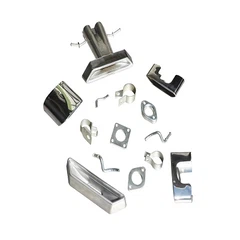
The Exhaust Pipe Hanger might seem like a small and insignificant part, but it plays a big role in keeping the exhaust system in place. If the exhaust pipe hanger is damaged or broken, the exhaust pipe can start to move around.
When the exhaust pipe moves, it can rub against other parts of the car, like the undercarriage or the suspension. This not only causes a lot of noise but can also lead to further damage to the exhaust pipe. A damaged exhaust pipe can develop holes or leaks. And just like with the manifold inlet, these leaks can disrupt the backpressure in the system.
The engine might start to lose power because it can't expel the exhaust gases properly. Also, the noise from the rubbing can be really annoying, and it's a sign that something is wrong with your exhaust system. You don't want to ignore it because it can get worse over time.
Exhaust Y Pipe Connector
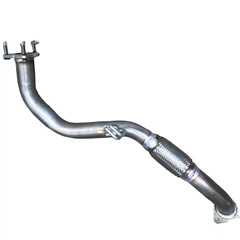
The Exhaust Y Pipe Connector is an important part that joins different sections of the exhaust pipe. If this connector is damaged, it can have a significant impact on the engine.
A damaged exhaust Y pipe connector can cause a major leak in the exhaust system. This leak can allow unburned fuel to escape into the atmosphere, which is not only bad for the environment but also for your engine. The engine's computer is designed to adjust the air - fuel mixture based on the proper flow of exhaust gases. When there's a leak at the Y pipe connector, the computer gets incorrect readings, and it can't adjust the mixture properly.
This can result in a rich or lean air - fuel mixture. A rich mixture means there's too much fuel and not enough air, which can lead to black smoke coming out of the exhaust and poor fuel economy. A lean mixture, on the other hand, means there's too much air and not enough fuel, which can cause the engine to overheat and potentially damage internal components.
In addition to these parts, other components of the exhaust system like the catalytic converter, muffler, and oxygen sensors can also affect the engine performance when they're damaged.


The catalytic converter is responsible for reducing harmful emissions. If it gets clogged or damaged, the exhaust flow is restricted, and the engine has to work harder to push the gases out. This can lead to a loss of power and poor acceleration.
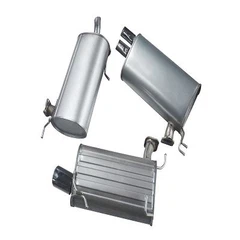
The muffler, which is mainly for noise reduction, can also cause problems if it's damaged. A hole or a crack in the muffler can disrupt the backpressure and make the engine less efficient.
Oxygen sensors monitor the amount of oxygen in the exhaust gases. They send signals to the engine's computer to adjust the air - fuel mixture. If an oxygen sensor is faulty, the computer can't make the right adjustments, and the engine's performance suffers.
So, as you can see, a damaged exhaust system part can definitely affect the engine performance. It can lead to a loss of power, poor fuel economy, rough idling, and even potential damage to the engine over time.
If you suspect that your exhaust system has a problem, it's important to get it checked out as soon as possible. At our company, we offer high - quality exhaust system parts that are designed to fit your vehicle perfectly. Whether you need a new manifold inlet, exhaust pipe hanger, or exhaust Y pipe connector, we've got you covered.
Our parts are made from durable materials and are tested to ensure they meet the highest standards. We understand how important it is for your car to run smoothly, and we're committed to providing you with the best products.
If you're in the market for exhaust system parts, don't hesitate to reach out to us. We're here to help you with your purchase and answer any questions you might have. A well - maintained exhaust system means a happy and healthy engine, and that's what we're all about.
References
- Smith, J. (2020). Automotive Exhaust Systems: A Comprehensive Guide. AutoTech Publishing.
- Johnson, M. (2019). Understanding Engine Performance and Exhaust System Interaction. Car Enthusiast Magazine.
Send Inquiry