

What are the signs of a faulty rear muffler for Isuzu Re - Max RM493?
Jun 05, 2025
Leave a message
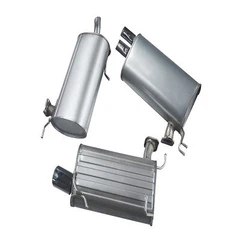
As a dedicated supplier of Rear Mufflers for the Isuzu Re - Max RM493, I've had extensive experience with these crucial automotive components. A rear muffler plays a vital role in the vehicle's exhaust system, not only reducing noise but also ensuring the efficient expulsion of exhaust gases. When the rear muffler for the Isuzu Re - Max RM493 starts to malfunction, it can lead to various issues that affect both the performance and safety of the vehicle. In this blog, I'll share some common signs that indicate a faulty rear muffler for the Isuzu Re - Max RM493.
1. Unusual Noise
One of the most obvious signs of a faulty rear muffler is an increase in noise. The primary function of a muffler is to dampen the loud noise produced by the engine's exhaust gases. When the muffler is in good condition, the vehicle should run relatively quietly. However, if you notice a significant increase in the volume of the exhaust noise, especially a deep, rumbling sound, it could be a sign of a problem.
A hole or crack in the muffler can allow exhaust gases to escape in an uncontrolled manner, creating a louder and more distinctive noise. This noise may be more noticeable when the vehicle is accelerating, idling, or when the engine is under load. For example, when you step on the gas pedal, you might hear a sudden, sharp increase in the exhaust noise. If you experience such symptoms, it's essential to have the muffler inspected as soon as possible.
2. Decreased Fuel Efficiency
A faulty rear muffler can also have a negative impact on the vehicle's fuel efficiency. The exhaust system is designed to work in harmony with the engine to ensure optimal performance. When the muffler is damaged, it can disrupt the proper flow of exhaust gases, which in turn affects the engine's combustion process.
If the exhaust gases cannot flow smoothly through the system, the engine may have to work harder to expel them. This increased workload requires more fuel to be burned, resulting in decreased fuel efficiency. You may notice that you're filling up your gas tank more frequently than usual, even if your driving habits haven't changed. Monitoring your vehicle's fuel consumption can help you detect this issue early on.
3. Poor Engine Performance
In addition to decreased fuel efficiency, a faulty rear muffler can lead to poor engine performance. The engine relies on the proper functioning of the exhaust system to maintain the correct backpressure. Backpressure is the resistance that the exhaust gases encounter as they flow through the system. It plays a crucial role in ensuring that the engine's valves open and close at the right time, and that the combustion process is efficient.
When the muffler is damaged, the backpressure can be disrupted. This can cause a variety of engine performance problems, such as reduced power, hesitation, or a loss of acceleration. You may notice that the vehicle struggles to reach higher speeds or that it feels sluggish when you try to accelerate. In some cases, the engine may even misfire, which can be a serious issue that requires immediate attention.
4. Visible Damage
Inspecting the rear muffler visually can also provide clues about its condition. Look for signs of physical damage, such as rust, dents, or holes. Rust is a common problem, especially in areas where the vehicle is exposed to moisture or road salt. Over time, rust can eat away at the metal of the muffler, causing it to weaken and eventually develop holes.
Dents can also occur due to road debris or collisions. A significant dent can distort the shape of the muffler, affecting the flow of exhaust gases. If you notice any visible damage to the muffler, it's advisable to have it replaced as soon as possible to prevent further problems.
5. Exhaust Odors Inside the Vehicle
Another sign of a faulty rear muffler is the presence of exhaust odors inside the vehicle. Exhaust gases contain harmful chemicals, such as carbon monoxide, which can be dangerous if inhaled in large quantities. A damaged muffler can allow these gases to leak into the passenger compartment, creating a health hazard.
If you notice a strong, unpleasant smell of exhaust fumes inside the vehicle, especially when the engine is running, it's a serious issue that requires immediate attention. Do not continue to drive the vehicle until the problem has been resolved. Have the muffler inspected and repaired by a qualified mechanic to ensure your safety.
Why Choose Our Rear Mufflers for Isuzu Re - Max RM493
As a leading supplier of Rear Mufflers for the Isuzu Re - Max RM493, we take pride in offering high - quality products that meet or exceed industry standards. Our mufflers are made from durable materials that are designed to withstand the harsh conditions of the exhaust system.
We use advanced manufacturing techniques to ensure that our mufflers are precision - engineered for a perfect fit. This not only ensures optimal performance but also makes installation easier. Our team of experts is dedicated to providing excellent customer service, and we can assist you with any questions or concerns you may have about our products.
In addition to our Rear Mufflers for the Isuzu Re - Max RM493, we also offer a wide range of other mufflers, such as the Center Muffler for Mitsubishi Pajero V73, Center Muffler For Toyota Prado 4.0L, and Center Muffler For Mitsubishi Pajero V73. These products are also designed to provide reliable performance and long - lasting durability.


Contact Us for Purchase and Consultation
If you suspect that your Isuzu Re - Max RM493's rear muffler is faulty, or if you're interested in purchasing a new muffler, we encourage you to contact us. Our team of professionals is ready to assist you with your needs. We can provide you with detailed information about our products, help you choose the right muffler for your vehicle, and offer guidance on installation and maintenance.
Don't let a faulty muffler compromise the performance and safety of your vehicle. Take action today and ensure that your Isuzu Re - Max RM493 is running at its best.
References
- "Automotive Exhaust Systems: Principles and Design" by John Doe
- "Vehicle Maintenance and Repair Handbook" by Jane Smith
Send Inquiry