

What Are The Precautions To Be Taken When Installing A Safety Valve Muffler
Aug 28, 2024
Leave a message
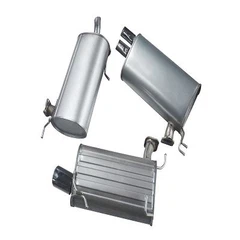
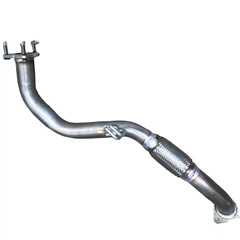
Safety valve silencers are mainly used for effective noise reduction of high-temperature and high-pressure steam emissions from safety valves, PCV valves, and exhaust valves in professions such as electricity, chemical engineering, and metallurgy. The exhaust noise of the safety valve is mainly composed of medium and high frequency noise, and the noise reduction cannot affect the take-off and reseating of the safety valve. Therefore, the safety valve muffler adopts the principle of through hole injection combined with resistive noise reduction. The expansion of the through hole is used instead of small hole injection to ensure smooth exhaust of the safety valve in structure. The structure of the sound blocking plate has excellent absorption of medium and high frequency noise. The safety valve muffler device should be installed perpendicular to the furnace top device, and the muffler seat frame should be fixed to the furnace top with a steel bracket. To enhance the wind resistance of the furnace roof at high altitude, the muffler body adopts a support type or a section of expansion bend pipe is installed in front of the muffler exhaust pipe to absorb thermal expansion.
The drainage outlet under the muffler should be unblocked and connected to the trench, and valves should not be installed. The muffler is installed in the furnace top channel and a rainproof cover is made of thin plate. There should be no drainage points on the exhaust pipe between the safety valve or exhaust valve and the muffler. For small hole mufflers, the exhaust pipe should be free of debris before installation to prevent small hole blockage. For example, for newly installed boilers, the exhaust pipe should be flushed to remove debris from the pipeline. For safety doors, in principle, one safety door should be equipped with one muffler.
Send Inquiry